35 broadcasters to compete at 70th Eurovision Song Contest in Vienna
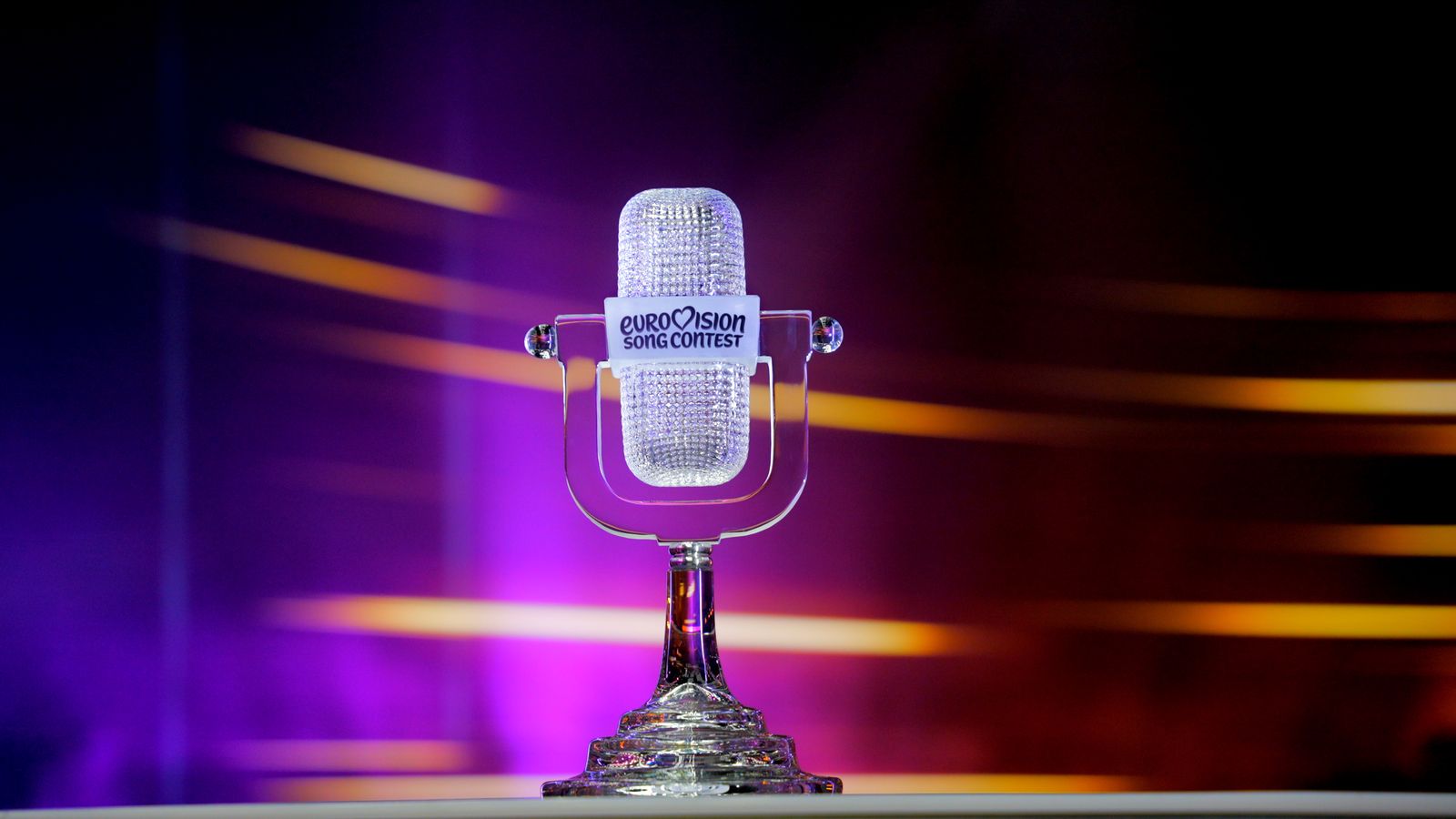
The Eurovision Song Contest trophy

The European Broadcasting Union (EBU) has confirmed the list of public service broadcasters competing in the 70th edition of the Eurovision Song Contest, to be hosted by ORF in Vienna in May.
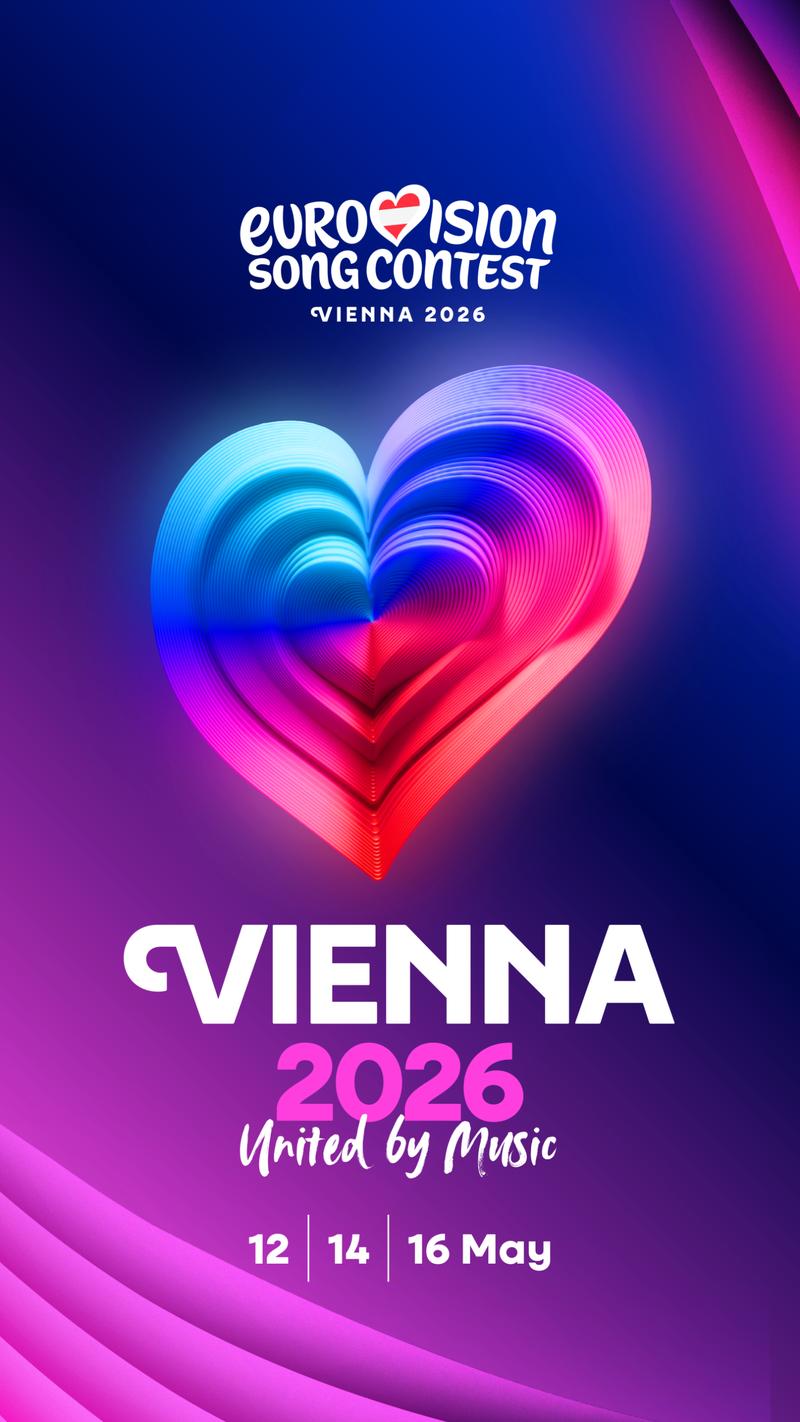
35 broadcasters will send songs and artists to Vienna between 12 and 16 May 2026.
The broadcasters taking part in the 70th Eurovision Song Contest are:
RTSH (Albania)
AMPTV (Armenia)
SBS (Australia)
ORF (Austria)
İctimai (Azerbaijan)
RTBF (Belgium)
BNT (Bulgaria)
HRT (Croatia)
CyBC (Cyprus)
ČT (Czechia)
DR (Denmark)
ERR (Estonia)
YLE (Finland)
FT (France)
GPB (Georgia)
ARD/SWR (Germany)
ERT (Greece)
Kan (Israel)
RAI (Italy)
LSM (Latvia)
LRT (Lithuania)
RTL (Luxembourg)
PBS (Malta)
TRM (Moldova)
RTCG (Montenegro)
TVR (Romania)
NRK (Norway)
TVP (Poland)
RTP (Portugal)
SMRTV (San Marino)
RTS (Serbia)
SVT (Sweden)
SRG SSR (Switzerland)
Suspilne (Ukraine)
BBC (United Kingdom)
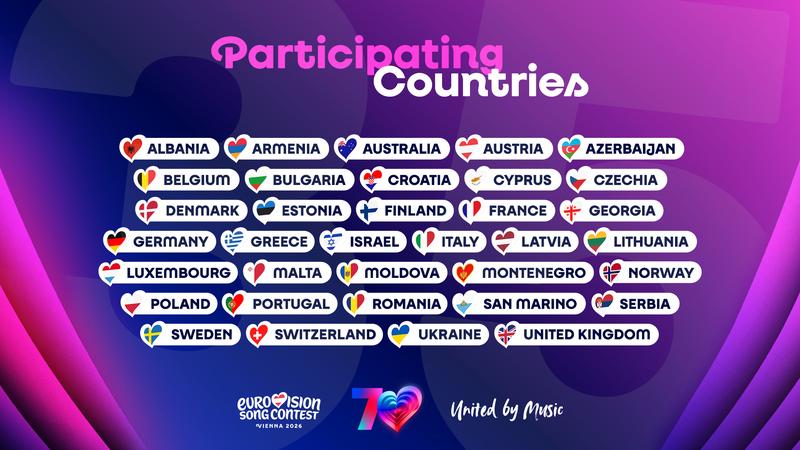
Three broadcasters from Bulgaria (BNT), Romania (TVR) and Moldova (TRM) are returning to the Contest - after three, two and one year absences respectively - as it celebrates its 70th edition.
15 songs will compete in the First Semi-Final on 12 May and 15 songs in the Second Semi-Final on 14 May.
As previously announced, Juries return to vote in the Semi-Finals for the first time since 2022. Their points will be combined with the results of an audience vote to decide the 10 songs that qualify from each Semi-Final.
Those 20 songs will join pre-qualified entries from hosts ORF (Austria), FT (France), ARD/SWR (Germany), Rai (Italy) and the BBC (United Kingdom) in the Grand Final on 16 May.
Then viewers in all participating countries and the Rest of the World together with juries appointed by the 35 broadcasters taking part vote in the Grand Final to decide who wins the 70th Eurovision Song Contest.
The draw to determine in which Semi-Final each song will be performed will take place in Vienna on Monday 12 January.
Enduring power of Eurovision Song Contest
Martin Green CBE, Director of the Eurovision Song Contest said:
“As we prepare to celebrate 70 years of the Eurovision Song Contest it remains a place where voices, cultures, languages and music are woven together. Where people from many backgrounds can show that in a difficult world a better one is possible. We are thrilled to welcome back BNT (Bulgaria), TVR (Romania) and TRM (Moldova) who join 32 other public broadcasters for Vienna 2026. Their return is a vivid reminder of the enduring power of the Eurovision Song Contest, and of what it truly means to be United by Music.”
ORF Executive Producer Michael Krön added:
"We look forward to welcoming each delegation and we will, of course, be a warm host for all 35 participating broadcasters in May."
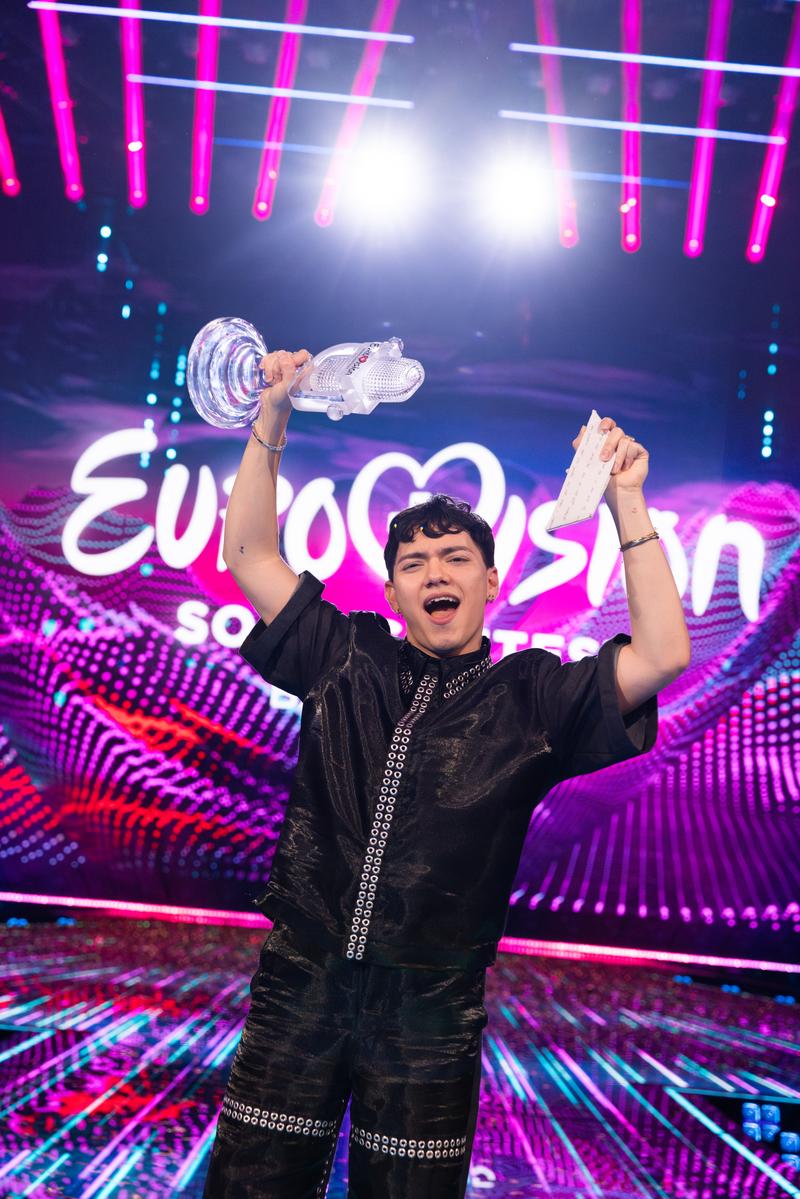
Vienna is playing host to the Eurovision Song Contest for the 3rd time. The event was first staged by ORF in Austria’s capital in 1967 following Udo Jürgens’ win the previous year. The 60th Contest was also held in Vienna in 2015 after Conchita Wurst triumphed the year before.
Tickets for Vienna
Ticket sales will begin on 13 January 2026. Fans wishing to enter the sale must register before Thursday 18 December 2025 at 23:59 CET. More details at eurovision.com/tickets.
New rules for 2026
Ahead of the 70th Contest, and following a broad consultation with its Members, the EBU has implemented a refreshed set of rules to preserve the fairness, integrity and spirit of competition.
These include strengthened safeguards against undue external promotion of entries, limits to individual voting to encourage broad support across many acts, the reinstatement of professional juries at the Semi-Final stage with expanded and more diverse jury members, and enhanced technical measures to detect and prevent coordinated or fraudulent voting activity.
These changes reflect our commitment to ensuring the Eurovision Song Contest remains a neutral space to showcase of music, talent and unity - free from undue influence and grounded in transparency.
Further details on stage design, hosts and how the 70th year of the Eurovision Song Contest will be celebrated will be released over the coming weeks.
_kbjlrum-fill_size%3d832x1040-focal_point%3d696x732-focal_size%3d1015x1125-fill_size%3d832x1040-focal_point%3d696x732-focal_size%3d1015x1125.jpg)