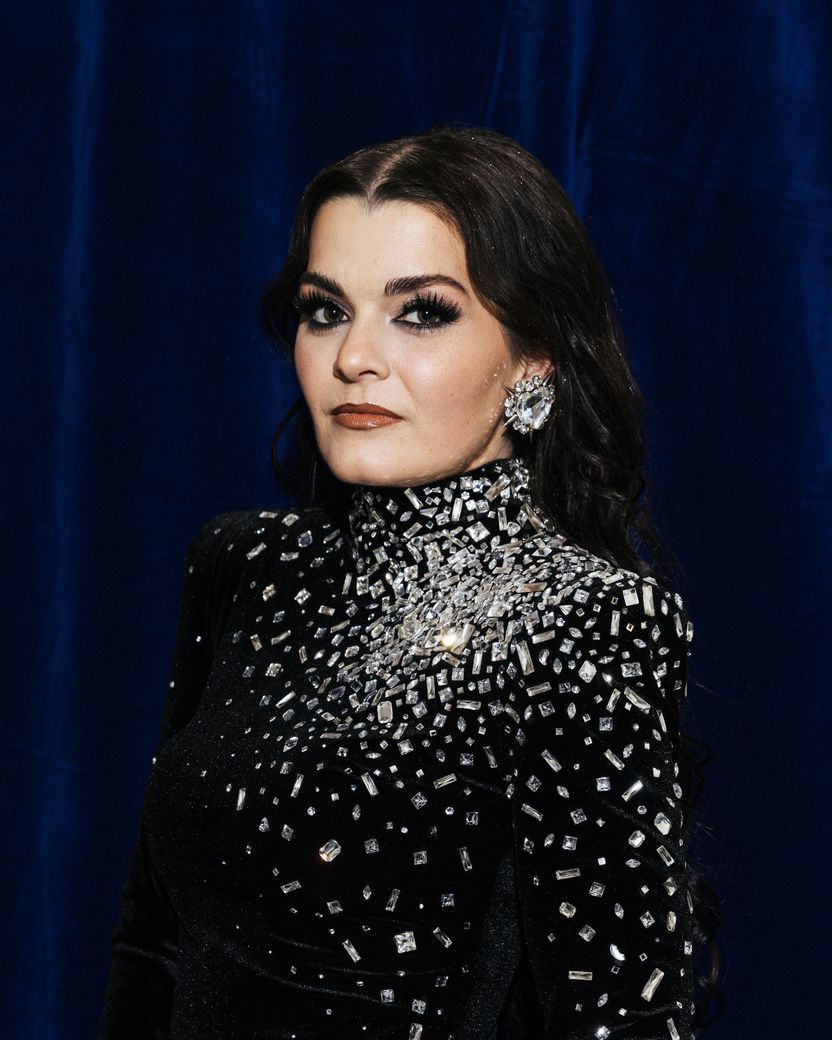
ORF announces updates on Vienna 2026
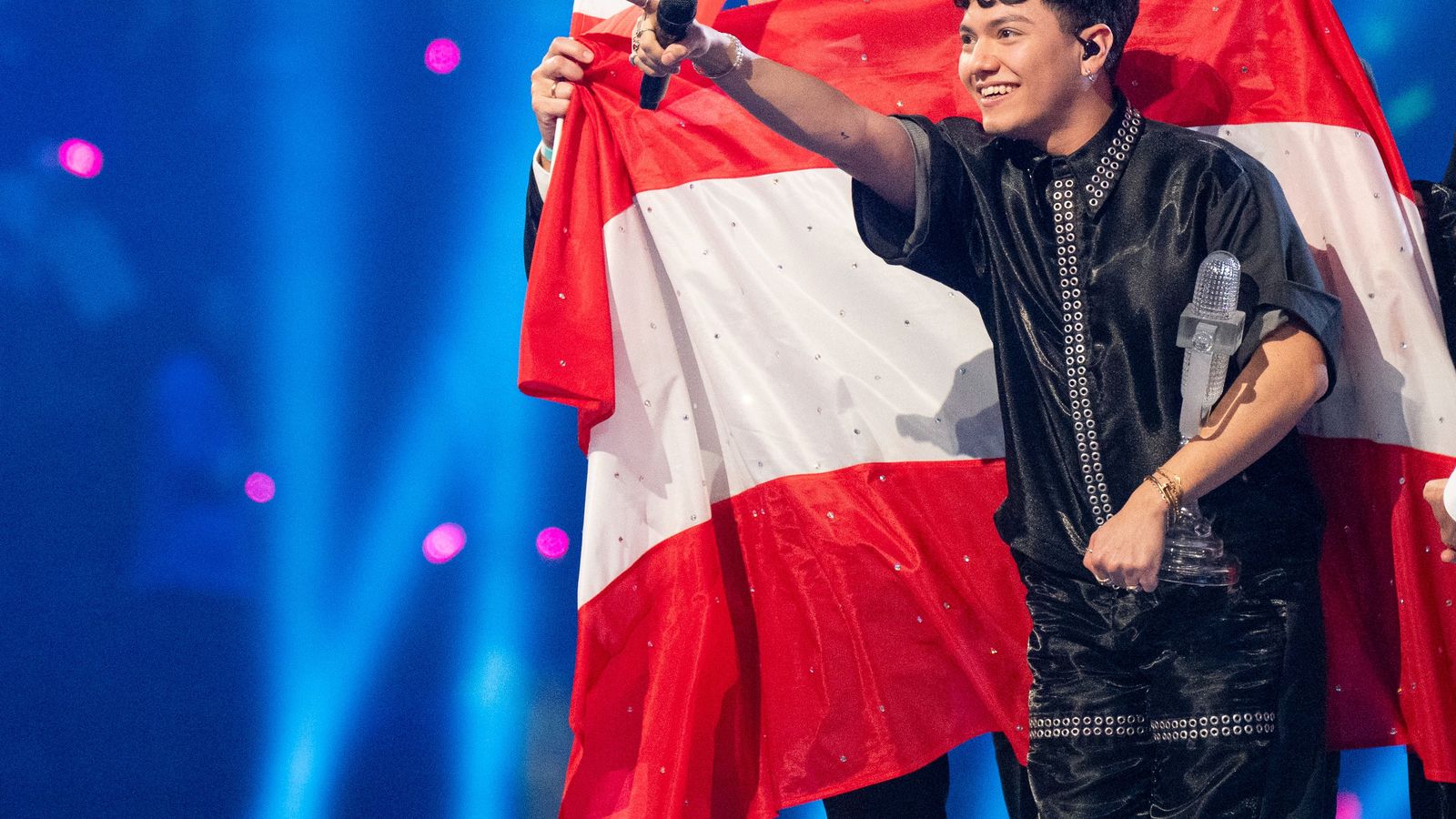
JJ wins the Eurovision Song Contest for Austria
Host broadcaster ORF has announced more information about the Eurovision Song Contest 2026, including volunteering and its initial designs for the Live Shows' Postcards.
Applications for Volunteers open now
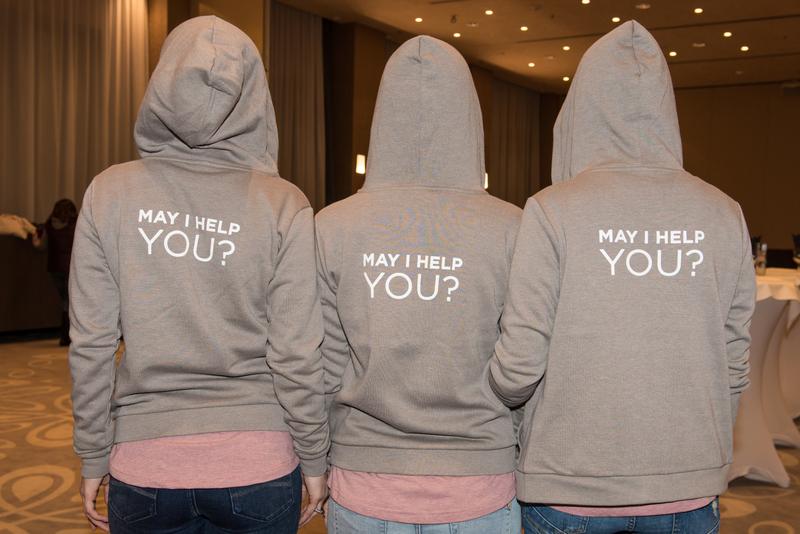
Behind every Eurovision Song Contest are thousands of people. Among the most important are the volunteers; essential for the world's largest live music event to run smoothly every year.
ORF is looking for up to 800 volunteers for Vienna 2026. Highly motivated and adult volunteers of all age groups with diverse interests are sought, with good German and English skills.
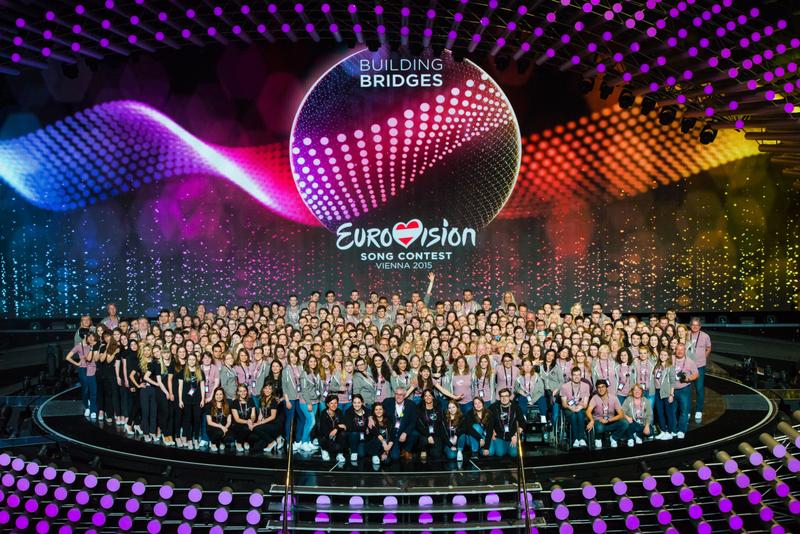
Those selected will take on a variety of roles from 1 May to 17 May, at various locations including the Media Centre and Information Desks at the Wiener Stadthalle, at the Eurovision Village in Rathausplatz, and at the airport.
Video registration now open at songcontest.ORF.at
Starting on Monday 1 December, interested applicants can register with a video and CV to be selected for one of the 800 spots.
For the first round, applicants will need a computer with webcam and microphone, or a smartphone or tablet with camera and audio recording. Everyone applying for a volunteer position will receive three questions and have up to 60 seconds to answer each one. Video answers can be recorded directly via web browser and the app, or uploaded as a file. The online form is open until midnight on 28 January 2026 and can be found at songcontest.ORF.at, where you can also find an FAQ section on volunteering.
Various areas of support
Applicants who succeed in the first round with their video and CV will be invited to a personal casting. There, candidates can demonstrate their language skills and also have their photo taken for accreditation. During the casting interview, a suitable area of responsibility is determined together. Candidates from outside of Austria will be asked to come to Vienna for the casting on 15 March 2026.
Whether creative, organisational or communicative – registration is possible for the following areas:
- Guest & Delegation Services
Support for accredited persons (e.g. welcome desk, delegation hosts) - Audience & Public Interaction
Information services, audience support (e.g. Eurovision Village, Euroclub) - Operations & Venue Management
Assistance at the event venue (e.g. accreditation, backstage host) - Media & Communication
Coordination and communication in media areas (e.g. press centre, social media) - Transport & Logistics
Logistical support and information (e.g. shuttle services, transportation) - Sustainability & Support
Support in sustainability and flexible organisational areas (e.g. Green Event, team leader, all-rounder)
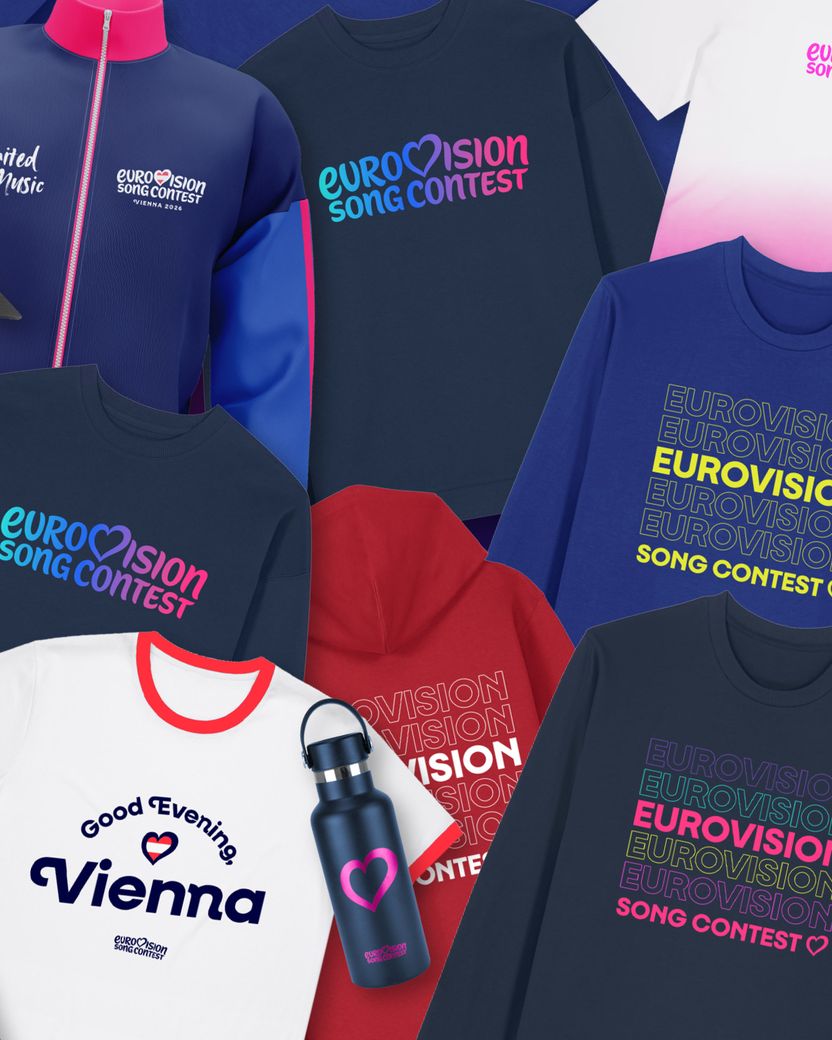
Volunteers receive official outfits, catering, and accident insurance during their hours of service.
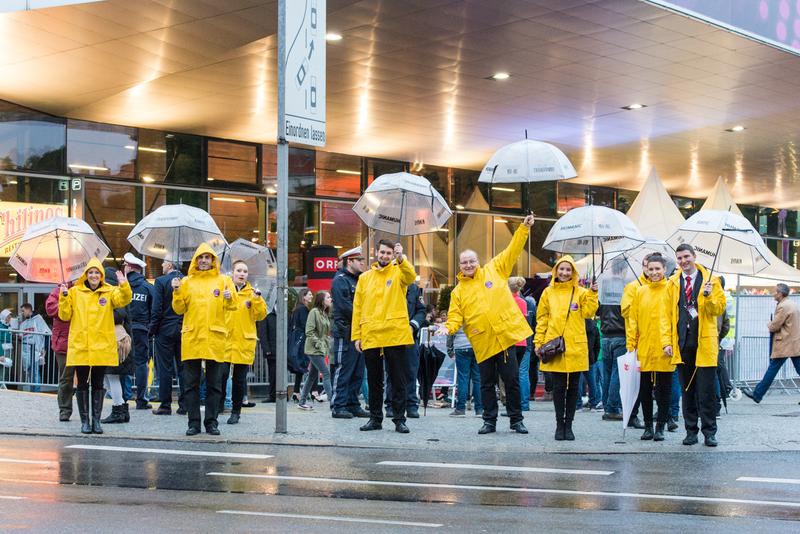
The Postcards – a Fusion of the Analogue and Digital World
The Postcards have been a longstanding tradition at the Eurovision Song Contest. Originally designed to cover the time needed to change the set between the competing songs, they have become much more than that today. They are now important artistic elements of the shows, showcasing the host country and the artists taking part. Gebhardt Productions has been commissioned to produce the Postcards for Vienna.

Each Postcard begins with a scene of the artists viewing a postcard from Austria against the backdrop of their home country. The camera then 'enters' the postcard, and suddenly the performers find themselves in the middle of Austrian scenery – fully immersed in the world of the postcard. At the end of each Postcard, the participants pose for a selfie in front of the Austrian backdrop. The shot then freezes, the camera pulls back, and the Postcard is then pinned on display.
These designs will also be produced as real, physical postcards that fans can collect and send all over the world; becoming a nice souvenir from Vienna 2026!

Filming for the Postcards began in October, to capture Austria in as many seasons as possible. And for Vienna 2026, the Postcard also has a historical reference; the first 'correspondence card' was sent from Austria-Hungary in 1869 by the Carinthian Emanuel Herrmann. With this concept, ORF is therefore not only aiming to set new standards in creative design, but also to pay homage to the history of the 'correspondence card' on the world's largest music stage.
Sustainability and Accessibility at the Eurovision Song Contest
The Eurovision Song Contest is the world’s largest live music event which brings with it a lot of responsibility. ORF aims to demonstrate with their hosting that world-class entertainment and climate protection go hand in hand. The broadcaster is setting out to organise the Eurovision Song Contest according to the criteria of two Austrian Ecolabels: 'Green Event' and 'Green Producing in Film and Television'.
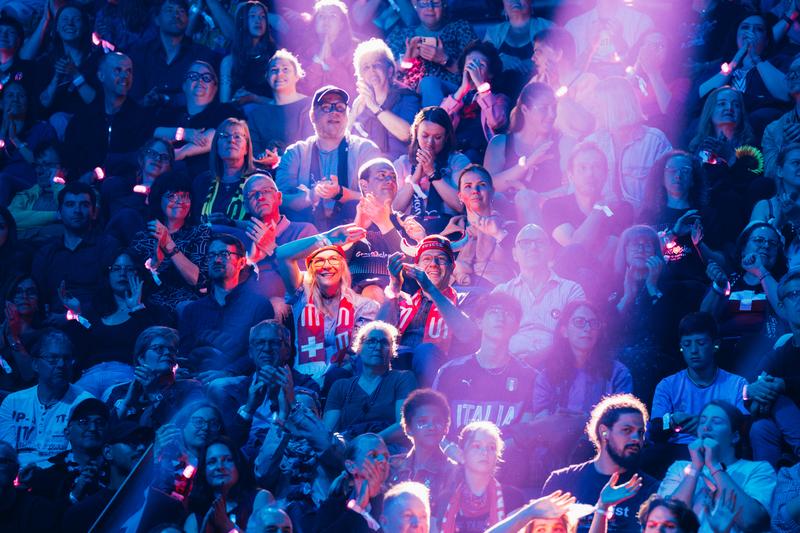
ORF Strives for Dual Ecolabel Certification
Back in 2015, the Eurovision Song Contest in Vienna set standards and became the first competition of this magnitude in Europe to receive the Austrian Ecolabel 'Green Event'. This pioneering work, as well as the lessons learned from it, led to the development of the internationally recognised standard 'Green Producing in Film and Television'.
ORF is well aware that a major event of this dimension inevitably has environmental impacts. However, the goal is to keep the CO₂ footprint as low as possible. Therefore, the focus lies on four areas: energy, mobility, waste and sustainable procurement.
For the show's lighting concept, ORF will follow the strict requirements of the 'Green Producing' certificate. The Wiener Stadthalle's electricity comes largely from its own photovoltaic system, and there are no constantly running generators as backup. Material deliveries are efficiently planned. Only environmentally certified catering companies using seasonal, organic and fairly produced food will be employed. User-friendly waste separation systems will also be in place.
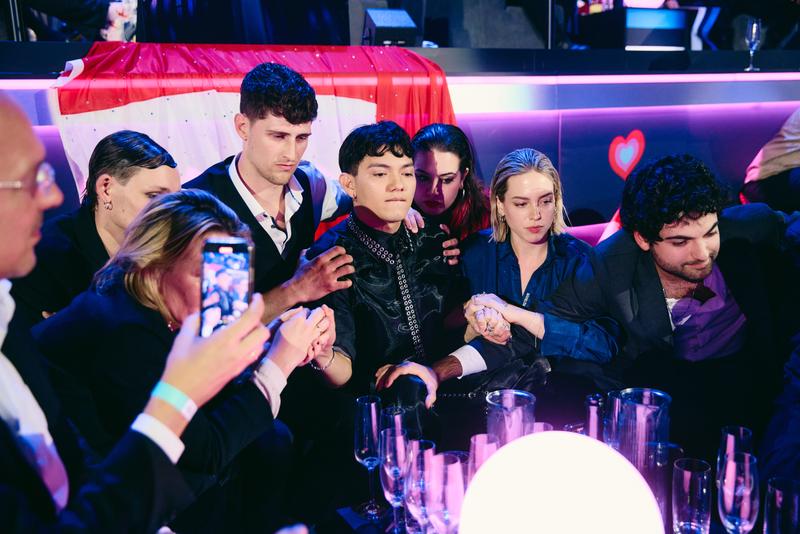
Independent auditors of the Austrian Ecolabel, commissioned by the Federal Ministry of Agriculture, Regions and Tourism, verify compliance with all criteria. The Wiener Stadthalle is also EMAS-certified. All accumulated knowledge will be documented and handed over to the winning country as a guideline.
Accessibility and Inclusion
The Eurovision Song Contest is an event for everyone. Accordingly, inclusion and accessibility in all areas of Contest-related events are of great importance to ORF, which aims to set a strong signal for people with disabilities – in programming, at the Wiener Stadthalle, and at public viewings.
A milestone in designing an accessible Song Contest was already achieved in Vienna 2015. At that time, participating acts were broadcast with music signing in International Sign Language for the first time. What was a premiere back then has since become standard. In 2026, ORF will again produce all songs with music signing and offer them to all participating broadcasters for transmission.
Furthermore, ORF will naturally broadcast all live shows on ORF ON in an accessible format – with subtitles and translation into Austrian Sign Language for people with hearing problems, and with audio description for people with visual disabilities.

_kbjlrum-fill_size%3d832x1040-focal_point%3d696x732-focal_size%3d1015x1125-fill_size%3d832x1040-focal_point%3d696x732-focal_size%3d1015x1125.jpg)