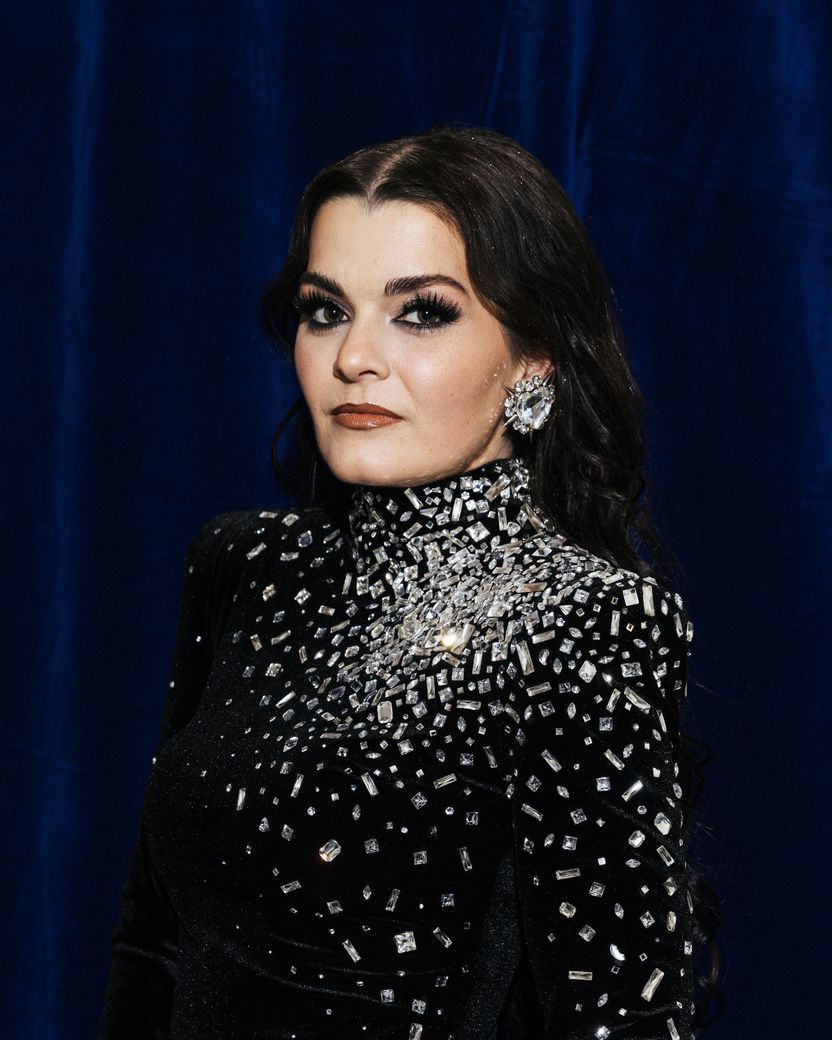
Bulgaria, Romania and Moldova will return to Eurovision for Vienna 2026
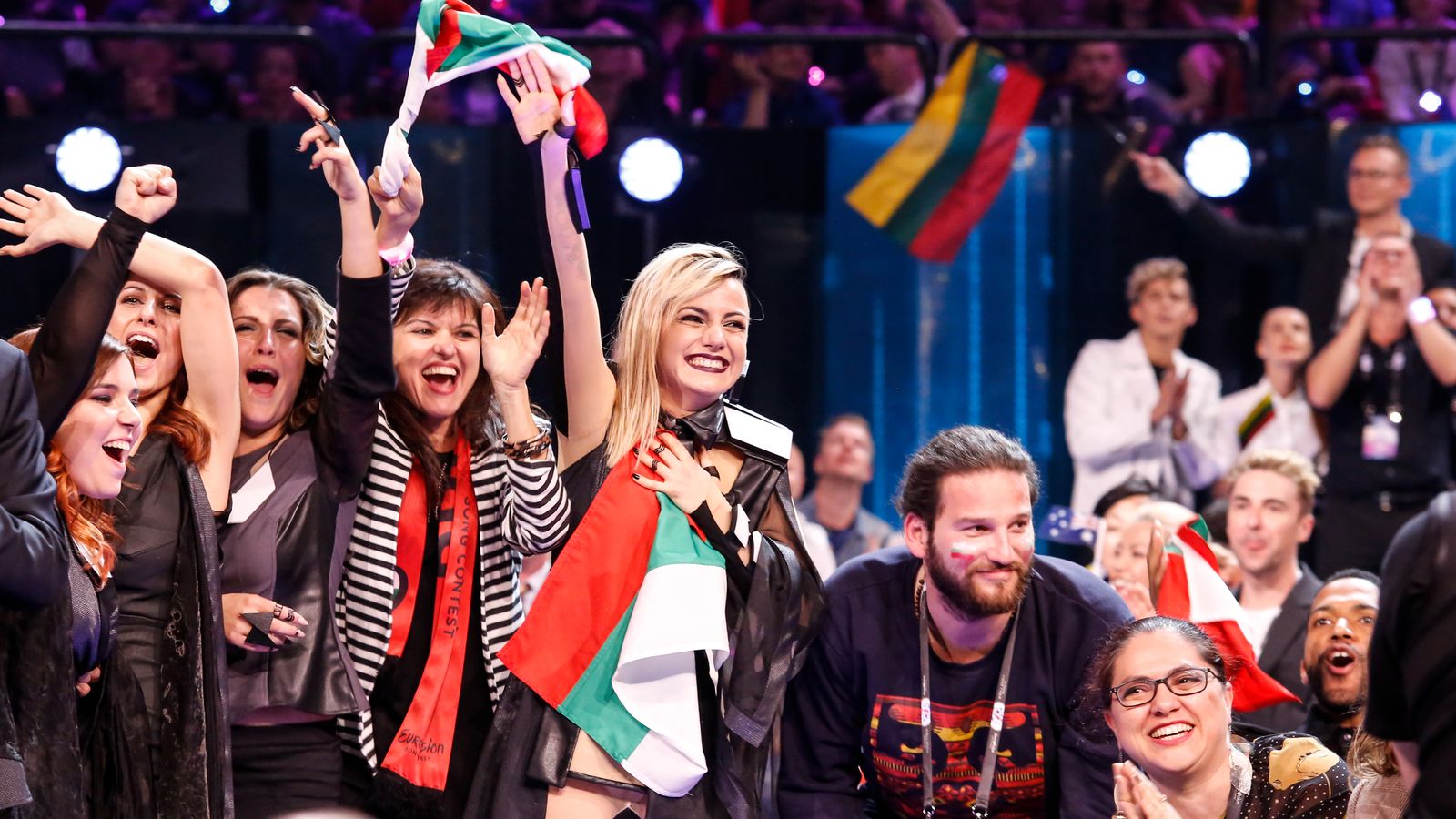
Eurovision Song Contest viewers can look forward to seeing three countries make their welcome comeback for its 70th edition in Vienna: Bulgaria, Romania and Moldova.
It's still early days as we make our way towards the 70th Eurovision Song Contest in 2026. But now, as well as having a Host City (Vienna), dates for the three Live Shows (12, 14, 16 May) and a venue (the Wiener Stadthalle), we've also got three broadcasters who have announced that they will be returning to the Contest after taking some years out.
Returning for Vienna 2026 will be Bulgaria's BNT (who last competed at Turin 2022), Romania's TVR (last seen at Liverpool 2023) and Moldova's TRM (who bowed out for a year following Malmö 2024).
Director of the Eurovision Song Contest, Martin Green CBE
“It’s fantastic to welcome back BNT, TVR and TRM to the Eurovision Song Contest. Their returns are a reminder of the enduring power of the Contest, the strength of our community, and demonstrate what it truly means to be United by Music.”
As we look forward to those three nations joining us in celebrating our 70th event next May, we take a look back and highlight some of the legendary moments they've each brought to the Contest before now.
Bulgaria
Bulgarian broadcaster BNT joined us for the first time at the 50th Eurovision Song Contest, Kyiv 2005.
The country's debut Grand Final appearance would come two years later at Helsinki 2007. Elitsa Todorova and Stoyan Yankoulov made a great big splash with Water, giving Bulgaria an impressive Top 5 finish on the night.
Bulgaria's best result to date happened on its return to Kyiv in 2017. Kristian Kostov's Beautiful Mess finished in second place, with its score of 615 points currently the third-highest in the Eurovision Song Contest's 70-year history.
Some of the Bulgarian entries that missed the Grand Final have nonetheless gone on to become Eurovision-party essentials, such as Sofi Marinova's Baku 2012 dance tune Love Unlimited and 2008's DJ, Take Me Away by Deep Zone & Balthazar, which literally had the DJ decks ablaze on stage in Belgrade at one point.
Poli Genova narrowly missed the Grand Final of Düsseldorf 2011, but got given her redemption arc in spectacular fashion five years later at Stockholm 2016. Her performance of If Love Was A Crime cemented the song on Eurovision playlists forever, giving Bulgaria a fourth-place finish in the process.
Romania
Dublin 1994 saw a record-breaking seven broadcasters debut at the Eurovision Song Contest, including Romania's TVR.
An initial 21st-place result with Dincolo De Nori by Dan Bittman has been improved upon many times in Romania’s 22 participations since. The country has landed in the Top 10 of the Grand Final six times, with their best result being a third-place finish in both 2005 and 2010, courtesy of Let Me Try by Luminița Anghel & Sistem and Playing With Fire by Paula Selling & Ovi respectively.
When it comes to Contest contributions over the years, Romania are just as well known for bringing the fun as they are for the finesse. Whether it's been a masterclass in showing us how Balkan Girls like to party (2009), demonstrating their skills in yodelling (2017) or leaning in to their popularity with tourists in Transylvania (2013), Romania's artists have given all of the Eurovision parties watching along at home something to remember.
And few club nights worth their entrance fee would go the whole night without at least one crowd-pleasing spin of Tornero (2006), Zaleilah (2012) or Llámame (2022).
Moldova
At the 70th Contest in Vienna we'll be seeing Moldova's 20th performance on the Eurovision stage.
Moldova debuted at the 50th Eurovision Song Contest at Kyiv 2005. The group Zdob si Zdub saw to it that their country made a great first impression on audiences at home, with their song Boonika Bate Toba scoring 148 points for a sixth-place finish.
The band's popularity had them invited back twice more to represent Moldova at the Contest, with So Lucky finishing in 12th place at Düsseldorf 2011 and Trenulețul (with the Advahov Brothers) landing Moldova in seventh place.
Zdob si Zdub wasn't the only Moldovan act that had such a great experience first time around, they decided to come back again. In fact, every participant Moldova has sent in the 2020s so far has been a returnee: 2024's Natalia Barbu previously competed in 2007; 2023's Pasha Parfeni had also taken part in 2012; and 2021's Natalia Gordienko had taken her country to the Grand Final at Athens 2006 (as well as being the planned participant for 2020's cancelled edition).
Another two-time appearance came courtesy of Sunstroke Project. The band's 2010 entry Run Away ended up being a hit across Europe after its participation, and they ended up with an even better result at the Contest with 2017's viral sensation Hey Mamma. That song's bronze-medal finish remains Moldova's best result at the Eurovision Song Contest. To date!...
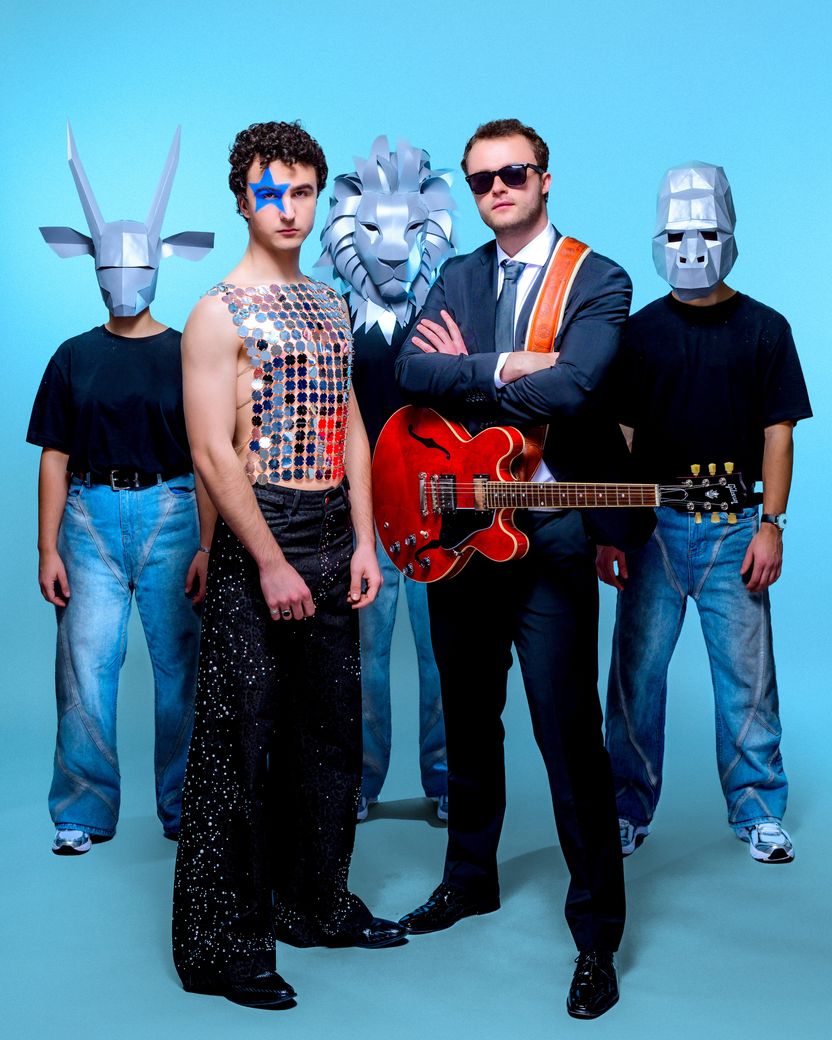
Moldovan broadcaster TRM has already announced that a national final will be held to find its song for Vienna 2026. On Saturday 17 January, Chișinău Arena will host Moldova's Eurovision pre-selection.
_kbjlrum-fill_size%3d832x1040-focal_point%3d696x732-focal_size%3d1015x1125-fill_size%3d832x1040-focal_point%3d696x732-focal_size%3d1015x1125.jpg)