Merci, Chérie: The story of Austria's first Eurovision winner
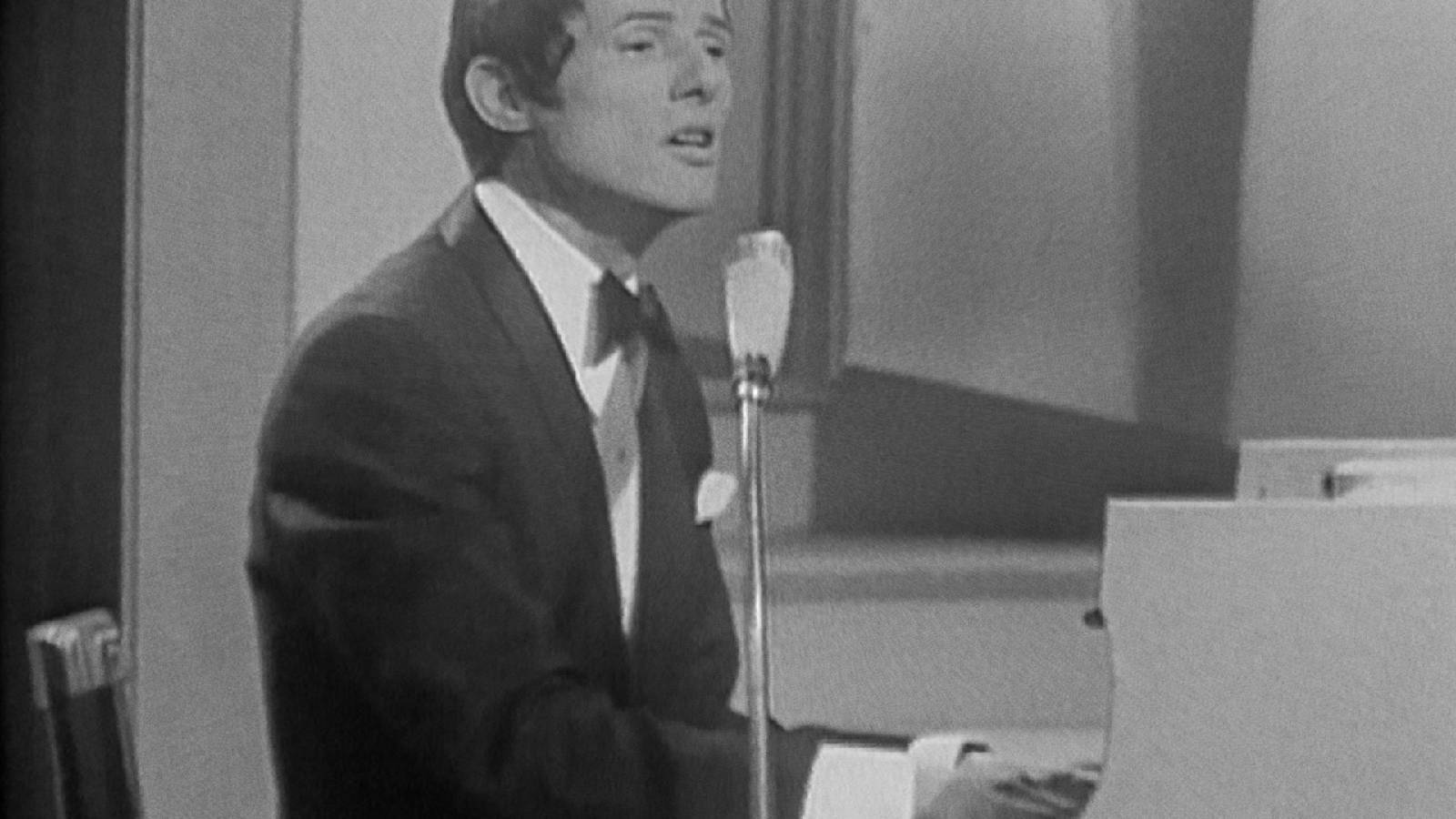
Udo Jürgens won for Austria in 1966 with Merci, Chérie
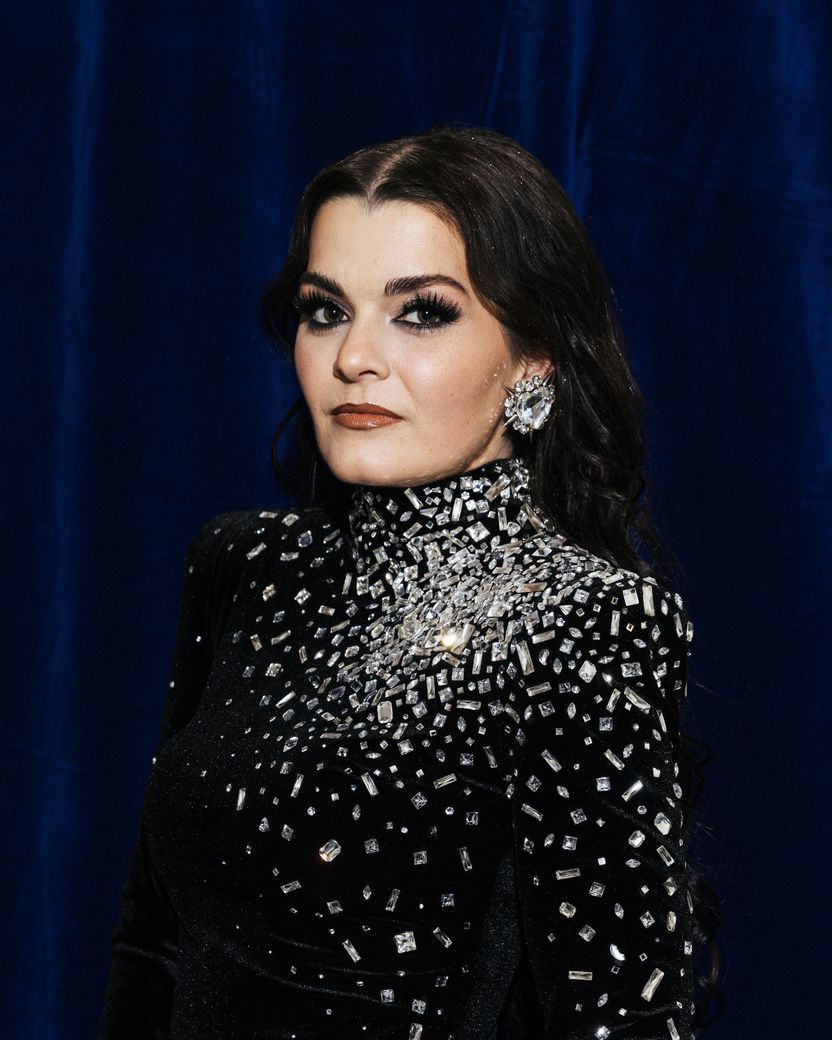
'Wasted Love' by JJ isn't the only performance in black and white to have won the Eurovision Song Contest for Austria! We go back to 1966 to tell the story of the country's very first Eurovision victory, with 'Merci, Chérie' by Udo Jürgens.
Next year we head to Austria for the 70th edition of the Eurovision Song Contest, thanks to the talented countertenor JJ and his victory in Basel with Wasted Love .
But that won't be the only big anniversary that Austria and broadcaster ORF will be celebrating... Innsbruck 2026 or Vienna 2026 will also be marking 60 years since the country's first ever Eurovision victory, when Udo Jürgens took Austria to the top of the Eurovision scoreboard with Merci, Chérie .
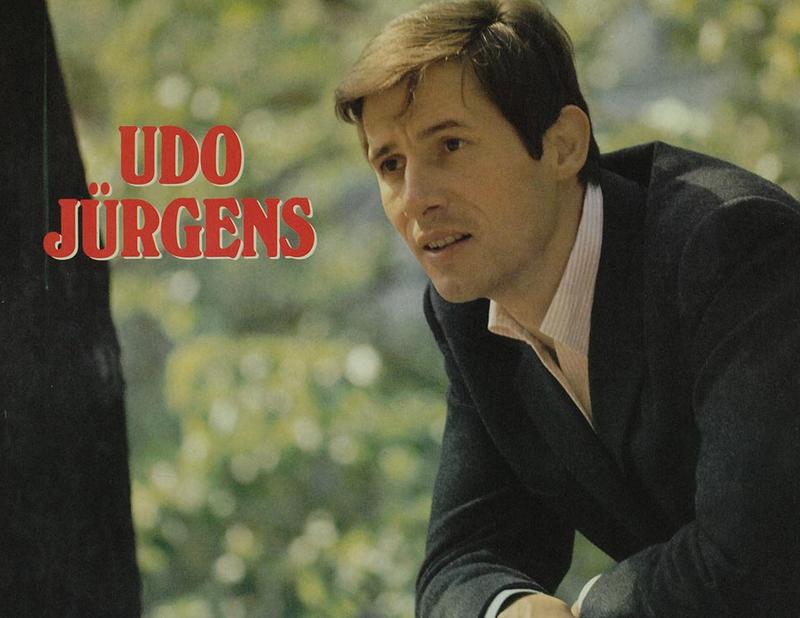
They say 'third time's a charm'; well, perhaps that's because of the Eurovision legacy forged by Udo Jürgens.
His path to the top of the Eurovision podium had actually begun two years prior to that victory, when broadcaster ORF selected Udo to represent his country at the 1964 Contest, with Warum Nur, Warum . On that night in Copenhagen, the song scored 11 points, putting Austria in 6th place - the second-best result it had achieved at that time.
Warum Nur, Warum 's journey wasn't over, however. The artist that had finished in 2nd place that night (Matt Monro, for the United Kingdom) had taken such a shine to Austria's entry, that he decided his next career move would be to record a version of it in English.
It served him well! Matt's version, Walk Away , went on to become one of the British singer's signature hits; not only was it his second-highest charting single of all time in the UK (charting even higher than the Bond theme he had released a year prior, From Russia With Love ), it took him to the upper echelons of the Billboard charts in the US, too.
Udo Jürgens' star was also on the rise, subsequently. And the performer was invited back to represent Austria for a second consecutive year; this time with Sag Ihr, Ich Lass Sie Grüßen .
Despite Naples 1965 boasting a record high number of participants at the time (18, thanks to the debut of Ireland and the return of Sweden), Udo managed to improve on his previous result. His latest epic ballad scored an increased total of 16 points and put Austria in 4th place; its highest finish at the Contest up until that point.
With a results trajectory like that, it will have been tempting to have man-of-the-moment Udo Jürgens back for a third attempt at claiming that Eurovision gold. Mercifully for all involved, the singer was up for it, the broadcaster was delighted with the idea, and the nation was fully behind him.
Merci, Chérie , composed by Udo along with Thomas Hörbiger, was Austria's 10th Eurovision entry and took part in the 11th edition of the Eurovision Song Contest. Despite the French title, it was performed in German, telling the story of a parting of ways between two lovers.
Held on Saturday 5 March 1966, the Contest took place at the Villa Louvigny venue in Luxembourg, courtesy of France Gall's iconic victory for the Grand Duchy one year earlier, with Poupée De Cire, Poupée De Son .
The 18 countries that had participated at the 1965 Contest returned for Luxembourg 1966, with Udo Jürgens performing at the halfway point of the running order, in 9th position.
Back then, the top score a jury could hand out was 5 points. On the night, Austria was awarded the most sets of 5; a total of 4, from Belgium, Luxembourg, Monaco and Yugoslavia. 3 sets of 3 points from France, Italy and Switzerland, plus a couple of points from Portugal and Spain, saw to it that Merci, Chérie would landslide the vote.
With a 31-point finish, Austria scored its first Eurovision victory with almost double the points tally of the song in 2nd place - Sweden's Nygammal Vals by Lill Lindfors and Svante Thuresson, on 16 points.
Sweden had much to celebrate too, however. In fact, the top four countries of Eurovision 1966 - Austria in 1st, Sweden in 2nd, Norway in 3rd and Belgium in 4th - all achieved their best results at the Contest up until that point.
As Udo stood proudly with the Eurovision trophy at the end of the 1 hour and 27 minute show, Austria had a win under its belt and a hit on its hands!
Merci, Chérie went on to sell over a million copies across the world (certified by The Big Book of Gold Discs ), with more than half of those sales coming from France and Germany. And spurred on by the song's success, Udo also recorded and released versions in French, English, Japanese, Italian and Spanish.
Its Eurovision legacy is quite something, too. The song remained the sole German-language winner of the Eurovision Song Contest up until 1982, when Germany scored its first Eurovision triumph with Ein bißchen Frieden by Nicole. And Udo himself was the last male pianist to win the Contest until 2019, when Duncan Laurence charmed voters with his piano-led performance of Arcade for the Netherlands.
Merci, Chérie ended up being Austria's only medal-table finish of the 20th century, and another Top 3 result wasn't to come until 2014, when Conchita Wurst earned Austria its second Eurovision win with Rise Like A Phoenix .
At the 2015 Contest in Vienna, viewers got to watch a touching tribute to Austria's first Eurovision winner Merci, Chérie . The opening act of the Grand Final saw violinist Lidia Baich, the winner of the Eurovision Young Musicians 1998 for Austria, perform an excerpt of Udo's Eurovision classic.
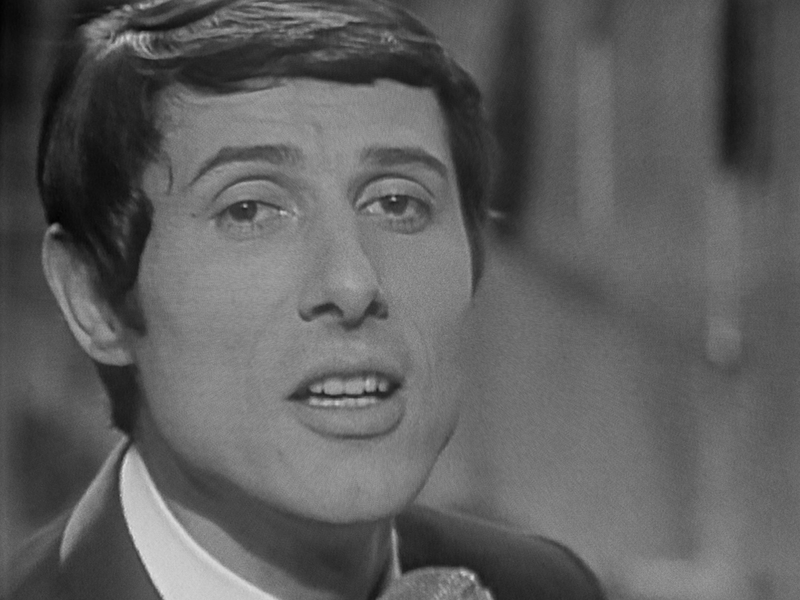
Just a few months prior to that, in December 2014, Udo Jürgens had sadly passed away at the age of 80. The singer had still been performing up until that point, and was two months into his latest tour.
His final performance had been on The Helene Fischer Show , less than two weeks before his passing. The show was filmed and later broadcast on Christmas Day of that year, on Germany's ZDF. Together, the two music legends gave what was to become an extra-special performance of... What else, but Merci, Chérie .

_kbjlrum-fill_size%3d832x1040-focal_point%3d696x732-focal_size%3d1015x1125-fill_size%3d832x1040-focal_point%3d696x732-focal_size%3d1015x1125.jpg)