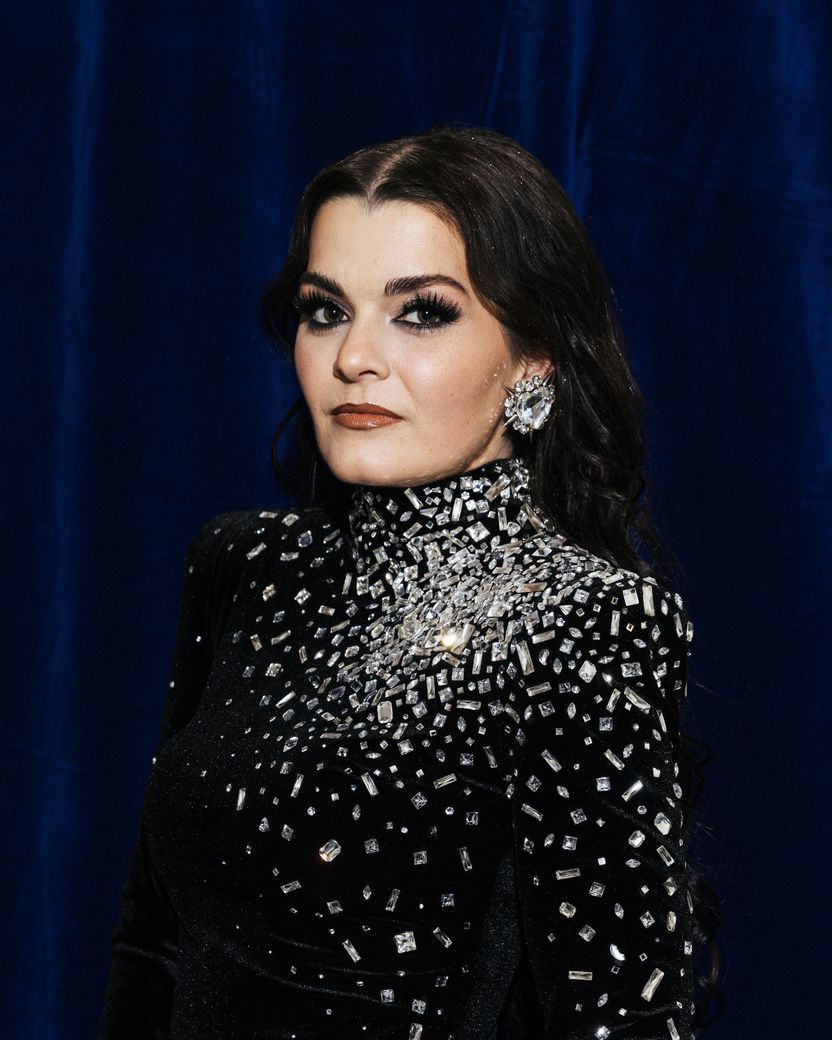
A History of Austria at the Eurovision Song Contest
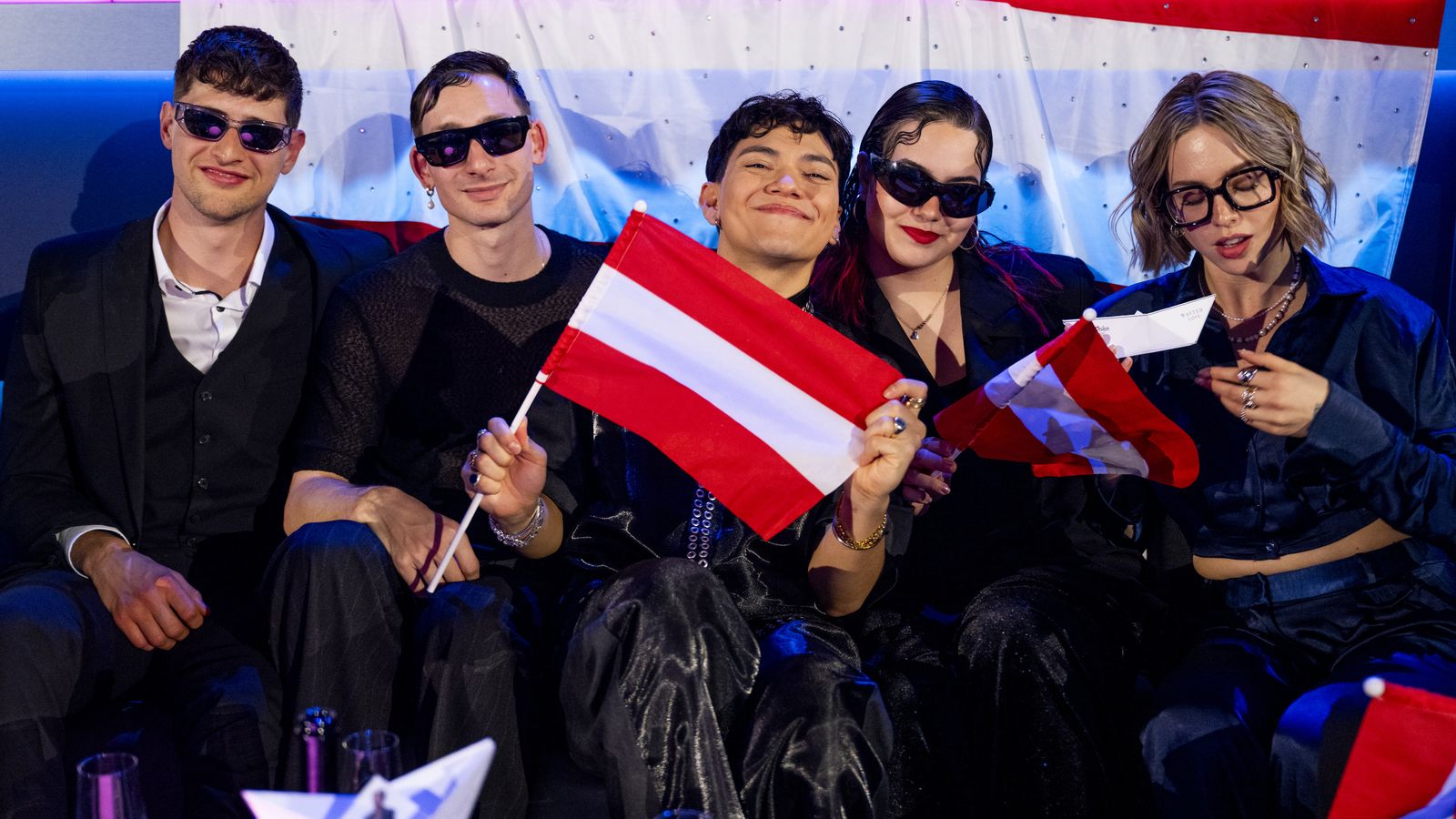
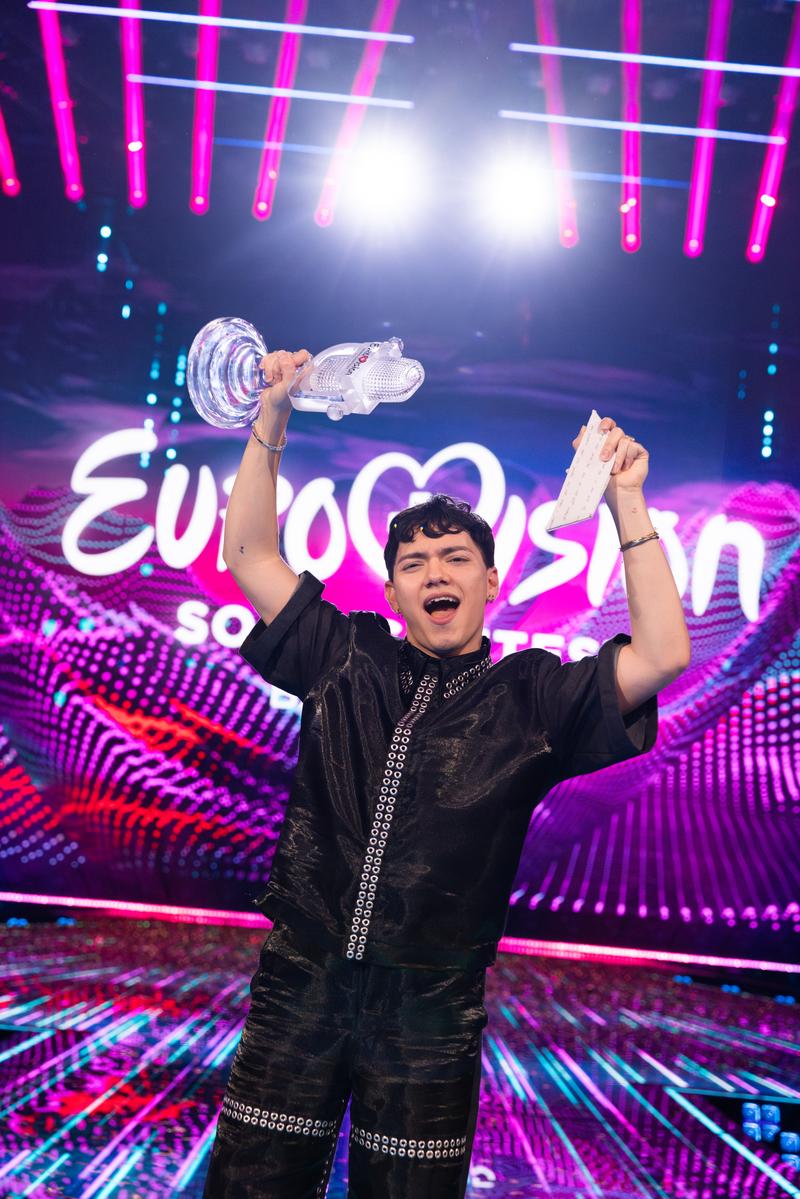
JJ in the Green Room for Austria at the 69th Eurovision Song Contest 2025 in Basel, Switzerland
Ahead of our visit to Austria in 2026, we take a journey (by boat, naturally) through the history of our reigning Eurovision champions.
At Basel 2025, Austrian viewers got to mark the tenth anniversary of Vienna 2015 in a very special way - by winning the Contest once again and inviting Eurovision back to Austria for a third time.
A score of 436 points saw to it that JJ got to lift the Eurovision trophy for Austria after audiences were captivated by his song Wasted Love . With a performance that pushed boundaries and a vocal delivery that still managed to take centre stage, JJ's win in Basel is already one for the history books. And so we're opening up those books now - on the chapter devoted to Austria!
Reflection
When the very first Eurovision Song Contest was broadcast in 1956, Austria may have been missing from the lineup of participants, but they were an early trailblazer in broadcasting the show regardless. The inaugural event made enough of an impact on ORF to ensure that Austria wouldn't be missing out on all the fun for a second-year running; the broadcaster made its debut at the 1957 Contest, with Wohin, Kleines Pony? performed by Bob Martin.
Austria's Eurovision enthusiasm was such that it couldn't be deterred by Bob's 'Pony' trotting in last to give the country a bottom-of-the-table result on its debut. ORF was then rewarded with a Top 5 finish on its second attempt in 1958, thanks to Liane Augustin impressing voters with Die Ganze Welt Braucht Liebe .
Austria has since gone on to land inside the Top 5 on 8 more occasions, including three Contest wins. And while the country is still climbing the league table of Eurovision Song Contest victories, it's got a record-breaking haul of trophies from Eurovision Young Musicians. Austria has scored 6 wins at the EBU competition, with the country being able to boast that is is currently the reigning champ of both Eurovision Young Musicians and the Eurovision Song Contest.
Shine
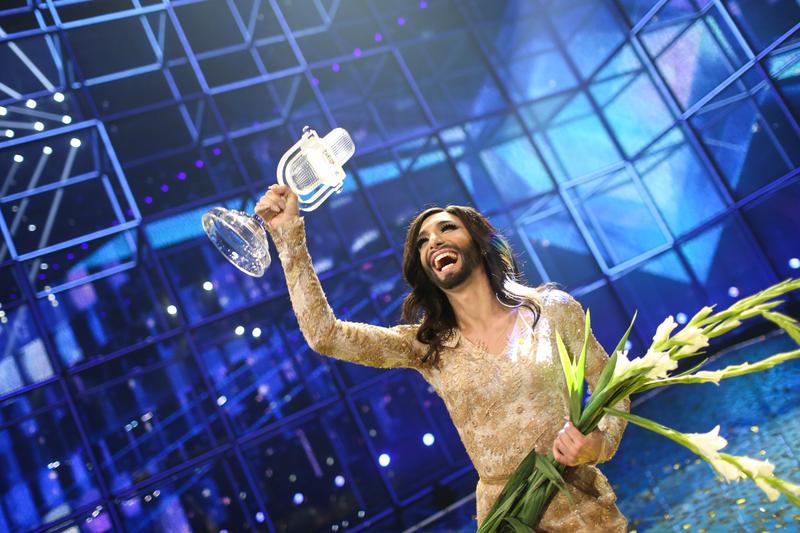
Arguably the most iconic moment in Austria's 57-contest history is one that has also ended up as being one of the most recognisable in the Eurovision Song Contest's own 70-year history - its win in 2014 with Rise Like A Phoenix by Conchita Wurst. It was a special moment at the time, but in the decade since Conchita's victory, her Eurovision success is looked back upon as a defining cultural moment; one which has long transcended the Contest itself.
Regularly cited by Eurovision fans, casual viewers and even many Eurovision participants as one of their favourite songs from the Contest, Conchita's win has ensured that Austria will always be a footnote in any write-up of the Eurovision Song Contest's history that's worth reading. And indeed the star's own stellar appearance - which inspired countless column inches back in 2014 - has seen to it that Conchita's face will usually be included in the accompanying imagery of any such write-up!
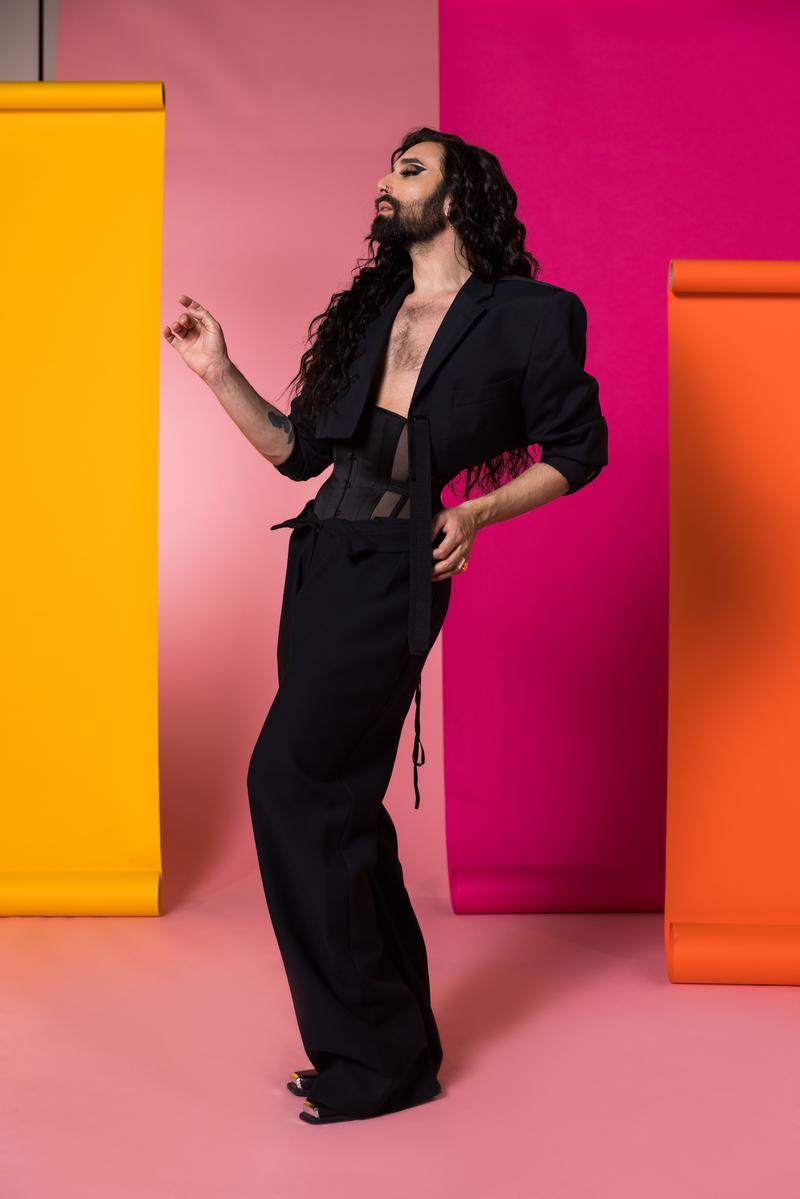
Conchita Wurst is joined in the pantheon of Austrian winners by not only JJ, but the 'Österreich OG' Udo Jürgens, who gave his country its first Eurovision victory in 1966, with Merci, Chérie . Despite its French title, it was actually the first German-language song to win the Eurovision Song Contest; with only one more winner joining those ranks since (Germany's own Ein bißchen Frieden by Nicole, in 1982).
His victory in Luxembourg was Udo's third consecutive attempt at bringing a first Eurovision victory home to Austria, though he'd already given his country a couple of impressive results in the process; 6th place with Warum Nur, Warum? in 1964 and 4th place one year later in 1965, with Sag Ihr, Ich Lass Sie Grüßen .
Udo went on to sell over 100 million records thoughout his career. The legend even joins ABBA in the list of Eurovision winners who have had a jukebox musical produced using their songs; Ich War Noch Niemals in New York opened in Germany in 2007.
Merci, Chérie ended up being Austria's only medal-table finish of the 20th century, but the country's fortunes have improved in modern times, with Austria now laying claim to a bronze-medal result, as well as its three golds.
At Lisbon 2018, Eurovision audiences were introduced to Cesár Sampson performing his song Nobody But You . Winning the jury vote of the Grand Final, before being overtaken by Israel's Toy and Cyprus' Fuego once the public-vote points were revealed, Nobody But You ended the night in 3rd place with 342 points; Austria's highest ever score at that time.
Picking up 9 sets of 12 points, 6 sets of 10 and 7 sets of 6, it remains what will have been one of the most exciting Grand Finals for Austrian viewers as they watched the red, white and red flag storm its way to the top of the scoreboard once again.
We Will Rave
Since its victory with Rise Like A Phoenix a little over 10 years ago, Austria hasn't been afraid to let its hair down and inject a little bit of fun into proceedings; be that the Eurovision Song Contest itself or the Eurovision parties that happen all year round.
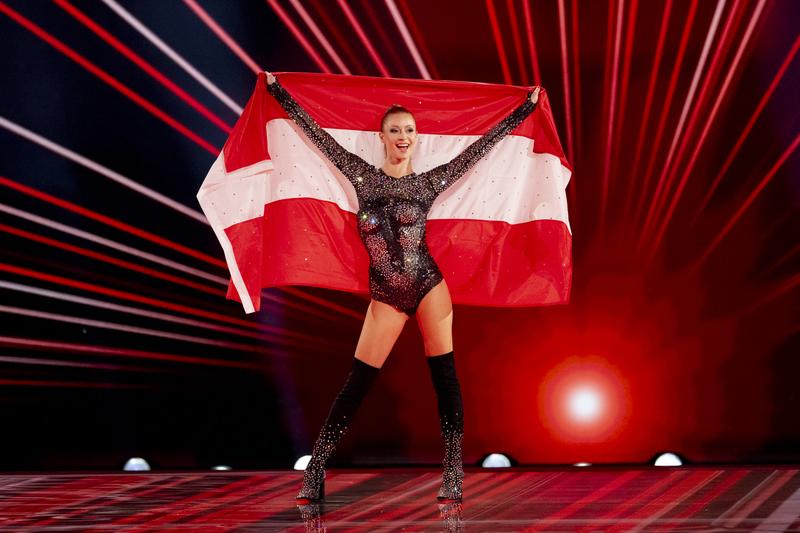
In the past decade, the country has gifted the Contest and its community a plethora of party-starters that are now considered all-time greats of that genre.
In 2016, Stockholm had a little more sparkle added to it thanks to Loin d'Ici , performed by Zoë. It was the first (and to date only) time Austria had sent a song performed in French to represent them. Super cute, super catchy and super charismatic, it's still a firm fan fave to this day - 'ici, là et partout'!
The cries of "open the clubs" in 2020 were heard nowhere more clearly than in Austria. A three-year run at the start of the decade has seen the Contest pumped with beats, kicking off with one of the most renowned DJs and producers across the globe - LUM!X.
The Austrian-Italian talent took vocalist Pia Maria to Turin in 2022 with Halo , a song which is his highest charting single to date in Austria.
One year later and it was the turn of Teya & Salena to get Europe on its feet with Who The Hell Is Edgar? ; a song that brought the 19th-century poet Edgar Allan Poe to the forefront of viewers' minds once more, while also encouraging them to ponder the struggles that female songwriters face in the music industry today. All set to a revved-up beat, of course.
And with Austria going from opening the Grand Final of Liverpool 2023 to closing the Grand Final of Malmö 2024, there was no better punctuation point to the party than Kaleen's We Will Rave . Club-classic choreo meets serving-stunt synths, 'we rum-de-dum-dum-da' we will never forget the impact that Austria's entry had on the EuroClub dancefloor that year. And this year. We'd hazard a guess at next year, too.
Du Hast Mich So Fasziniert
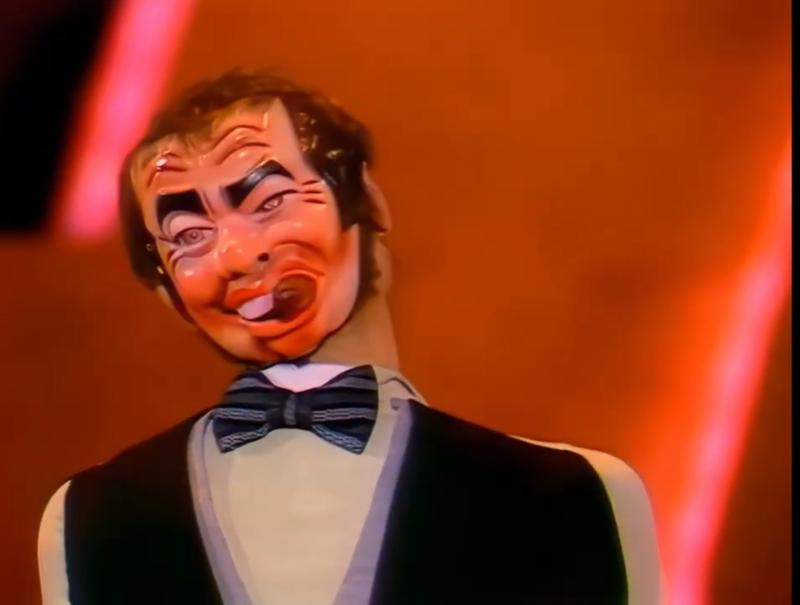
In 1977, Austria sent the delightful Schmetterlinge to the Wembley Conference Centre in London, where they would perform Boom Boom Boomerang . And if you thought that sounded like a parody of a Eurovision song title, you'd actually be correct in this case.
The group presented Europe with a satirical swipe at the music industry, complete with puppet masks depicting cigar-smoking bigwigs and a catchy intro that went "music is love for you and me, music is money for the record company" .
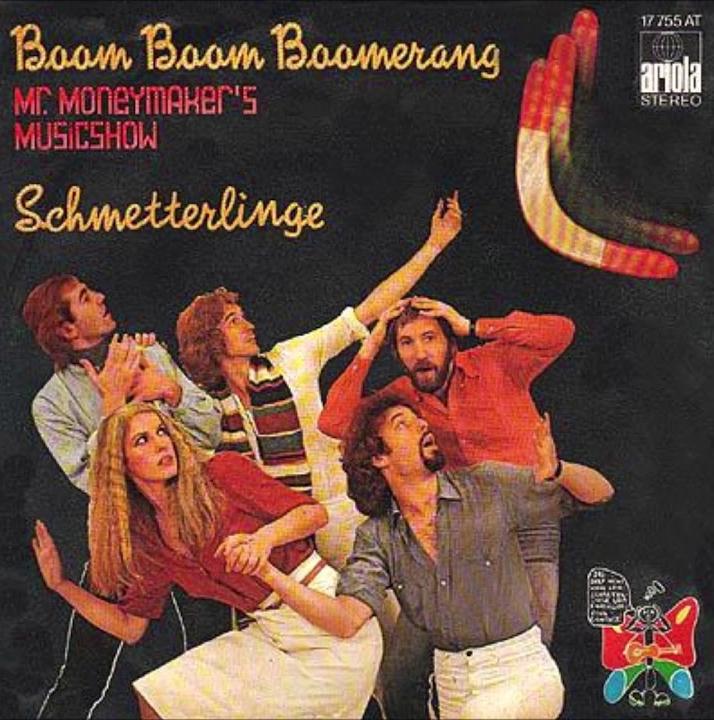
The Eurovision Song Contest caught a few strays in the firing line too, however, with the choreography seemingly mocking that of the previous year's winner ( Save Your Kisses For Me by Brotherhood of Man) and its chorus lampooning the lyrics of the winning song one year prior to that ( Ding-a-Dong by Teach In). "Kangaroo, Boogaloo, Didgeridoo. Ding dong, sing the song, hear the guitar twang" ; pure poetry.
The juries responded by awarding the song 11 points, placing Austria 17th in a field of 18. But the group forever cemented themselves a spot in henceforth every documentary or highlights show that was to be made about the Eurovision Song Contest. No 'silly section' is complete without that outfit reveal.
Fast-forward over a quarter of a century and remove juries from the equation and Austria found itself getting a much warmer reception to its satirical efforts. Comedian Alf Poier got to represent his country at Riga 2003 with Weil Der Mensch Zählt . His performance raised eyebrows (not to mention a few questions), but it evidently managed to raise spirits across the continent too; voters awarded Alf with 101 points (at the time Austria's all-time highest score) and a 6th-place finish.
It was the country's highest placing on the scoreboard since 1989 and it has only been topped three times since. So you can understand Austria's enthusiasm in sending the equally thought-provoking Woki Mit Deim Popo in 2012. Alas, the beat-heavy rap banger by Trackshittaz ended up being a little overlooked in Baku, giving Austria its first (and to date only) last-place result in a Semi Final.
Du Bist Musik
Austria's 57-Contest history has been peppered with plenty of fan-fave moments that are fondly remembered today.
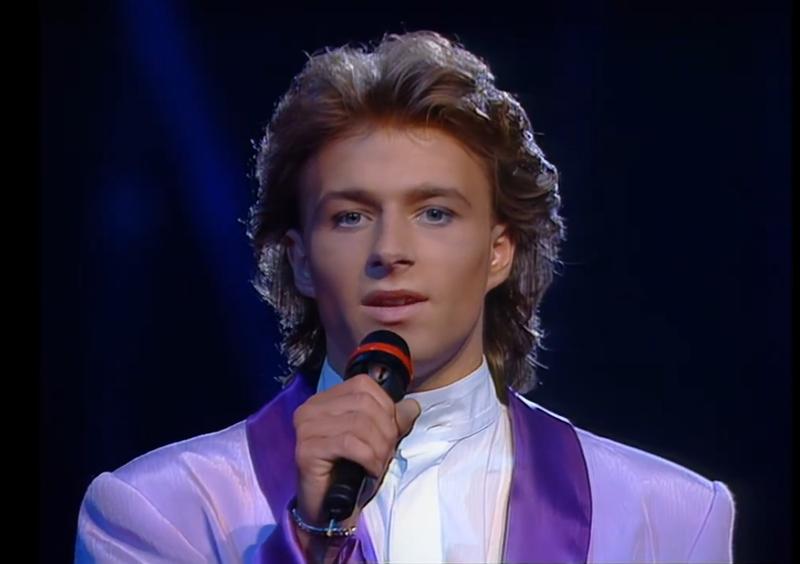
Thomas Forstner's rendition of Nur Ein Lie d remains just as iconic for its Top 5 result as it does for its visual presentation; arguably nothing timestamps Lausanne 1989 quite like Thomas' hair and lilac suit pairing.
Earlier that decade, the wonderfully named Mess gave an enthusiastic performance of Sonntag at Harrogate 1982, with the bright eyed and even brighter fashioned duo giving Austria a 9th-place finish. More musical-theatre magic followed from Austria just one year later, via the appropriately titled Westend and their song Hurricane , which landed the country another 9th-place result at Munich 1983.
At the turn of the century, pepped-up pop with soul was a mainstay in the charts across Europe, and Austria ensured that this was frequently represented on the Eurovision Song Contest stage.
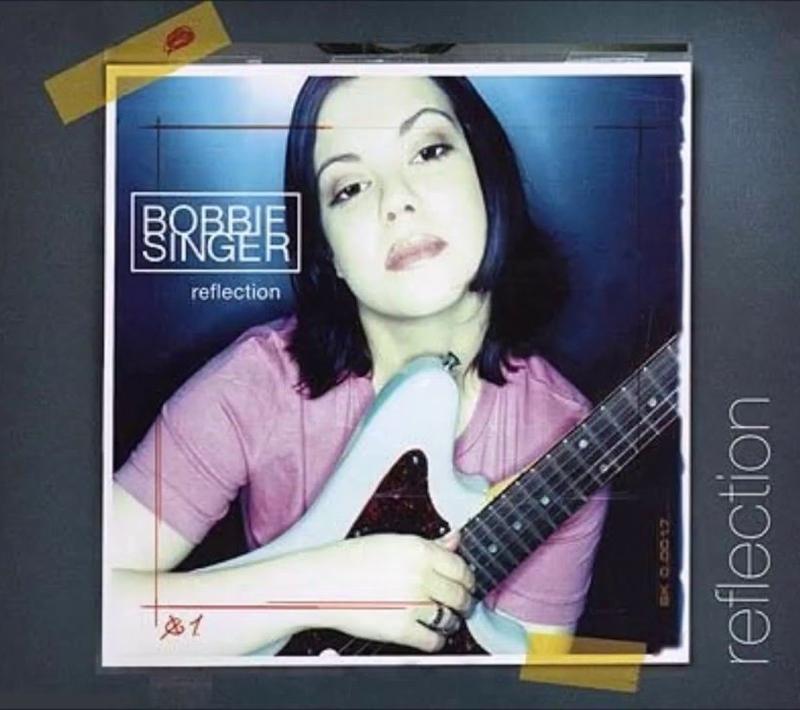
Between the gospel hand-claps of Weil's Dr Guat Got (George Nussbaumer, Oslo 1996), the crushed-velvet vision of One Step (Bettina Soriat, Dublin 1997), the radio-ready Reflection (Bobbie Singer, Jerusalem 1999) and the Motown-inspired All To You (The Rounder Girls, Stockholm 2000), Austria was dedicated to serving Saturday-night viewers the up-tempo crowd pleasers.
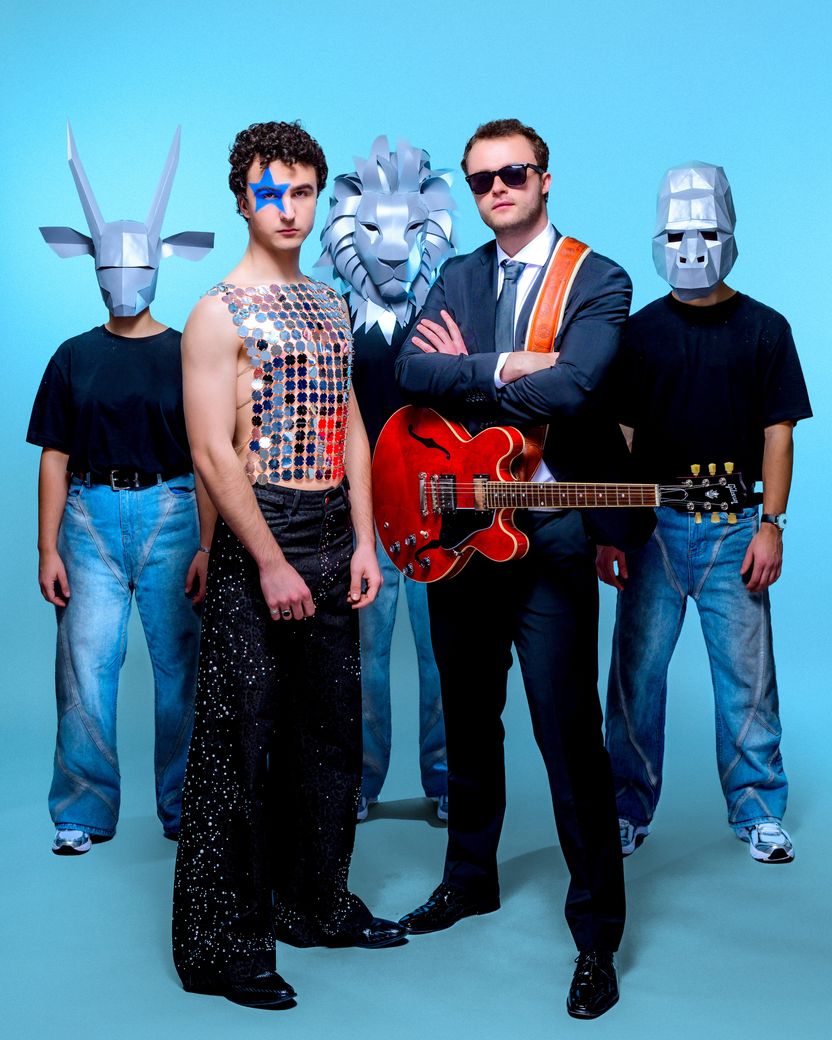
With the Core Team already in place for the Eurovision Song Contest 2026, it's over to Austrian broadcaster ORF to write the next chapter in the country's Eurovision history.
The Host City and the event date for Austria 2026 will be announced in August. To ensure you're kept in the loop with everything leading up to the Eurovision Song Contest next year, you can follow us all across our social media platforms.
_kbjlrum-fill_size%3d832x1040-focal_point%3d696x732-focal_size%3d1015x1125-fill_size%3d832x1040-focal_point%3d696x732-focal_size%3d1015x1125.jpg)