Vital statistics: Eurovision 2025's record-breaking reach
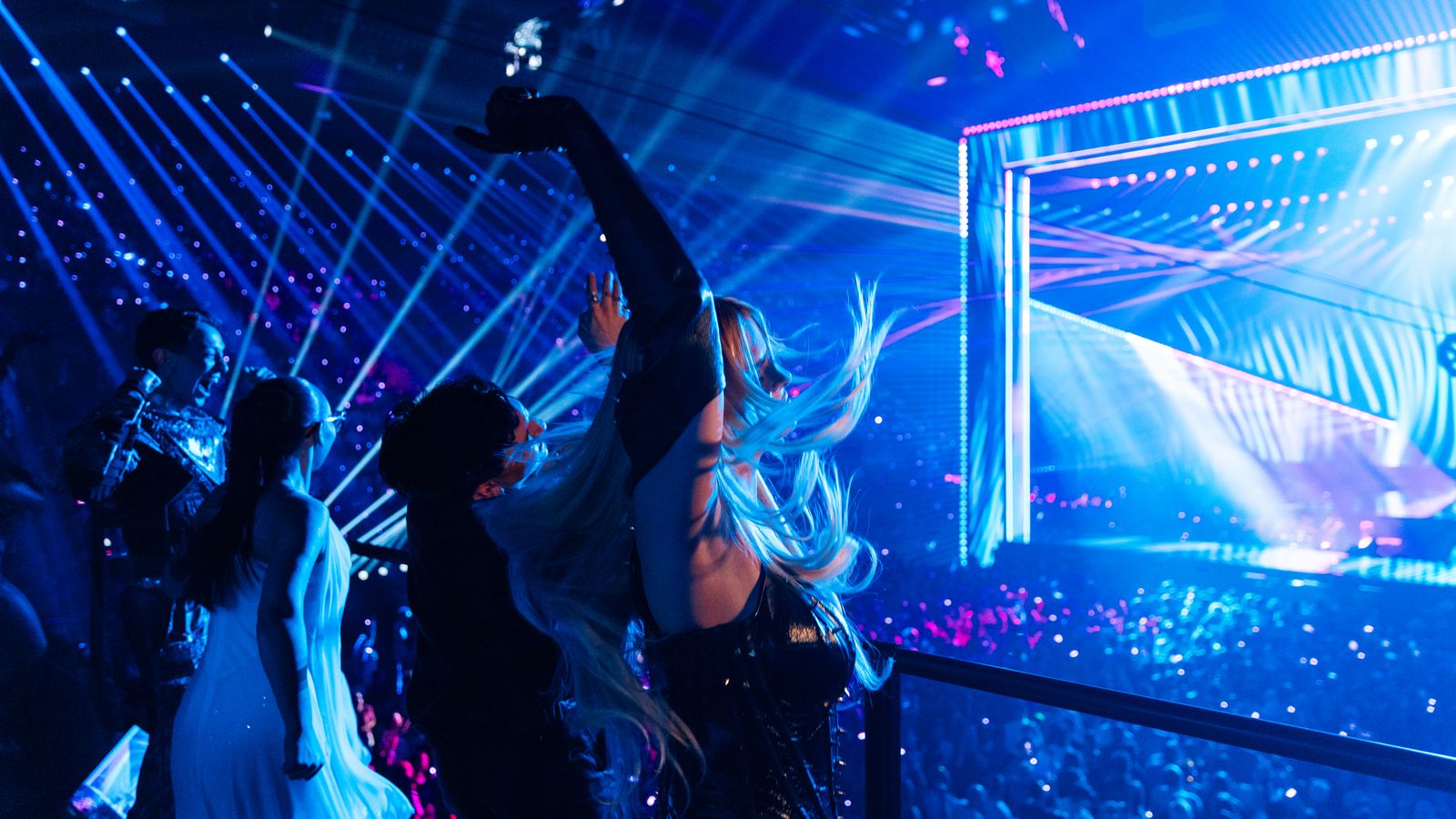
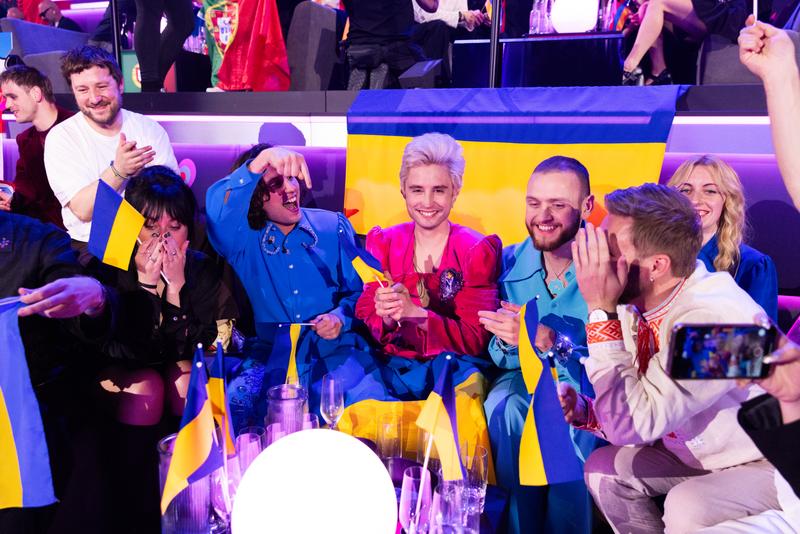
The artists of the Basel 2025 Grand Final in the Green Room
The stats are in and the Eurovision Song Contest has delivered its biggest impact yet - across TV, digital platforms, and streaming charts - cementing its place as one of the world’s most powerful cultural events.
The 69th Contest, staged in Basel, Switzerland, reached 166 million people across 37 public service media markets - 3 million more viewers compared to 2024.
Hundreds of millions more saw content from 2025’s artists and from the three Live Shows online with nearly 2 billion views of posts, videos and stories from this year’s Contest on the event’s digital channels.
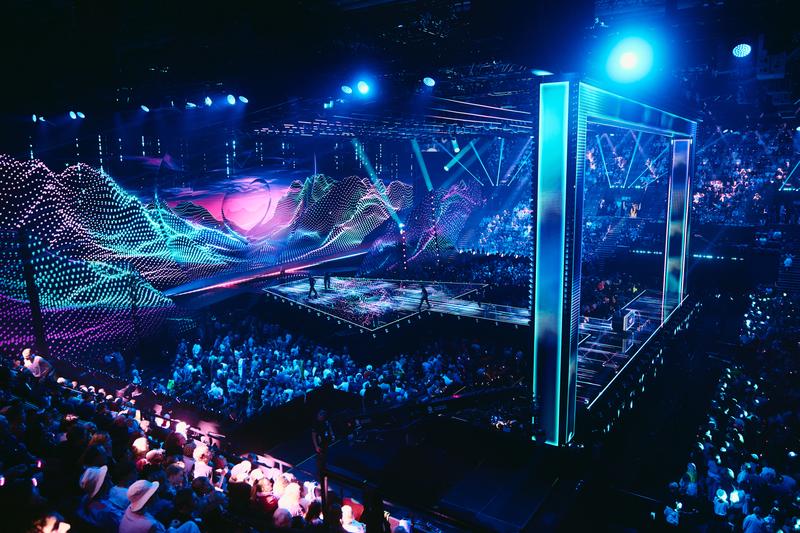
Swiss public broadcaster SRG SSR hosted three incredible Live Shows on 13, 15 and 17 May producing over 9 hours of state-of-the-art television enjoyed across the world.
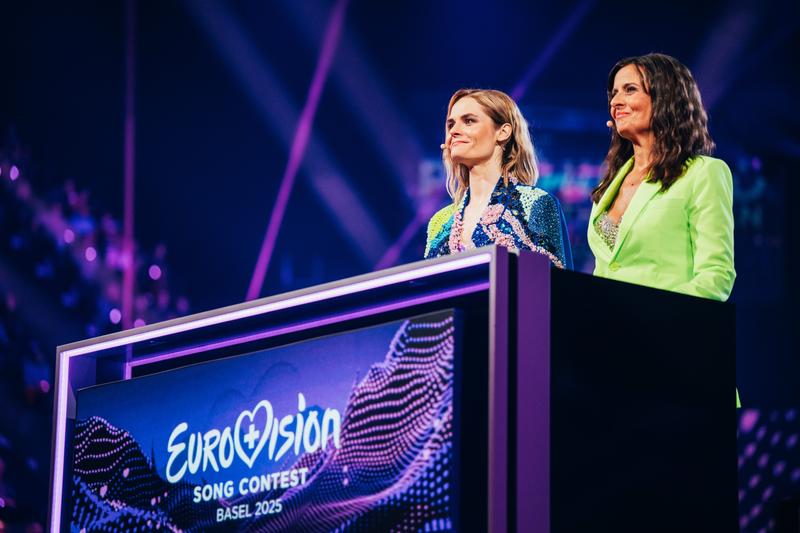
The viewing share of the 2025 Grand Final was 47.7%, the highest since 2004 , and more than double the average for the same group of broadcast channels (19.9%).
Among Youth viewers (15–24 years old), the Grand Final achieved a viewing share of 60.4% – the highest on record , and nearly 4 times these channels' average (16.0%).
The Grand Final - over 50% share in over 50% of countries
The Grand Final delivered viewing shares above 50% in 19 of the 37 markets, led by Iceland (97.8%), Finland (90.5%), Sweden (89.6%), Norway (85.4%), and Denmark (75.1%).

Other huge shares included the Netherlands (75.1%) and German-speaking Switzerland (74.2%).
In the host nation, an average audience of 1.1 million viewers watched the Grand Final - a 57% year-on-year increase, with record viewership and share in all linguistic regions.
Key markets also saw historic highs:
· Germany : Highest average audience of all countries - 9.1 million viewers – best since 2016
· Poland : 4 million viewers – triple last year’s total
· France : 40% viewing share – highest ever
· Finland : 90.5% viewing share – all-time record
· Greece : 2.8 million viewers and 70.8% share – highest since 2010
In the 7 days following the broadcast, the Grand Final attracted 12.1 million views on the Official Eurovision Song Contest YouTube channel - an 8% increase compared to Malmö 2024. Peak concurrent viewership on the night reached 1.58 million, up from 1.51 million in 2024.
The Semi-Finals also performed strongly, drawing 4.4 million and 3.4 million views respectively during their equivalent 7-day periods.
Across the entire Contest period (May 3 - May 24), total views of all content on the Eurovision YouTube channel reached 369.5 million , representing a 9.3% increase on last year.
The platform saw 60.7 million unique viewers from 232 countries and territories .
Additionally, the new Eurovision Non-Stop Hits 24/7 video live stream on YouTube generated 5,182,617 views and a total watch time of 708,727 hours since publication (May 1 - May 27), peaking just after the Grand Final with 108,119 viewers watching concurrently.
Votes from over 140 countries
Fans cast their votes in 146 countries and territories this year. Votes from audiences outside the 37 participating countries were amalgamated and their Top Ten songs awarded points equivalent to one participating country in each Semi Final and the Grand Final.
Outside the participating countries, the most fans voted in the United States, Canada, Romania, Slovakia, Mexico, Türkiye, Hungary, Kosovo, United Arab Emirates and South Africa .
Digital Domination
The Eurovision Song Contest’s impact goes beyond the one week of TV shows and is now a year-round global phenomenon. From January onwards, millions of fans follow every twist and turn as artists are revealed and national finals take shape. And in 2025, digital engagement reached unprecedented heights.
Across TikTok, Instagram, Facebook, YouTube and more, the ESC captivated more fans than ever before, with engagement stats soaring between 1 January and 24 May 2025 (one week after the Grand Final).
TikTok continues to see growth amongst younger fans where 42.4% of followers are aged 18-24:
· 748.5 million video views (+3%)
· 48.9 million likes (+17%)
· 2.76 million shares (+84%)
· 5 million comments (+79%)
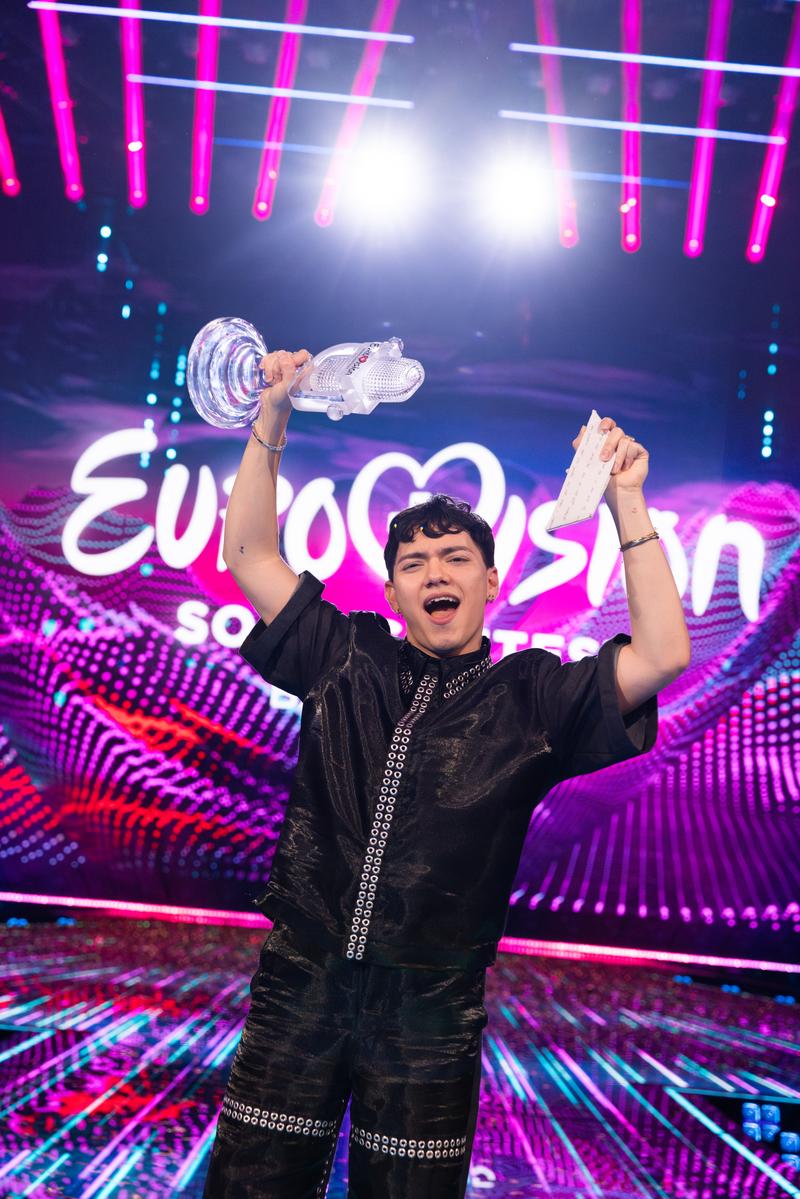
On Instagram more fans than ever enjoyed photos, stories, videos and broadcasts where engagement soared:
· 969 million views (Reels, posts and Stories)
· 69.6 million accounts reached
· 30.6 million interactions — up 100% year-on-year
· Largest audiences: 18–24 year olds (25.1%) and 25–34 year olds (33%)

Facebook also saw strong growth:
· 161 million views
· 29.9 million accounts reached (+30.9% on 2024)
· 2.8 million interactions (+98%)
· Most engaged fans: 25–34 year olds (37.2%) and 35–44 year olds (24.7%)
Elsewhere, the Official Eurovision WhatsApp group attracted 102,000 followers, and the ever-growing Reddit subreddit hit 340,000 members, up from 250,000 in 2024, thanks to a dedicated community of moderators and superfans.
The Official Eurovision Song Contest Podcast , now in its 4th season, continued to attract listeners, reaching over 1.5m plays across YouTube and streaming platforms (+25% vs. 2024).
The Official Eurovision Song Contest App featured on Apple’s App Store for a second year in a row, prior to the Grand Final and saw 1.8m users in the month leading up to the Contest, with 1.1m users on the day of the Grand Final. Improvements to the app meant that users spent 10% longer on the app vs. 2024.
The website, Eurovision.tv , attracted 17m views and 5.4m active users during the month of May (1-24).
My Eurovision Party
In a unique collaboration between the EBU and 9 Members - BBC (UK), DR (Denmark), France Télévisions (France), NPO/AVROTROS (Netherlands), RTÉ (Ireland), SRG SSR (Switzerland), SWR/NDR/ARD (Germany), VRT (Belgium), and Yle (Finland) - the 'My Eurovision Party' experience on Roblox drew 1.2 million visits (25 April - 27 May), showcasing the Contest in a new interactive format for younger audiences.
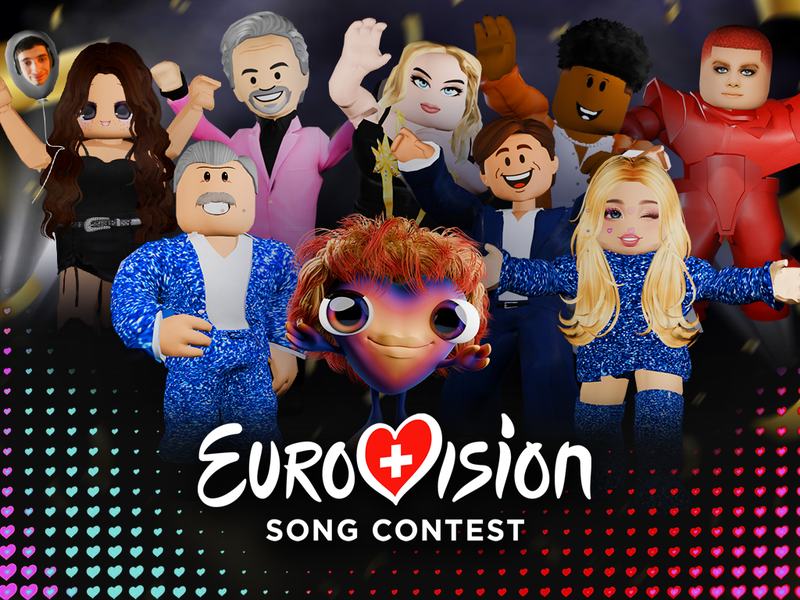
· The game drew players from 183 countries (77% of visitors were from Europe)
· 12 years of engagement time with the ESC from a predominantly young audience
· 11.5 mins average playtime per user per day
· 23k concurrent players during the Grand Final
2025 songs dominate global charts and streaming platforms
The musical impact of the Eurovision Song Contest 2025 has also resonated beyond TV screens, with this year’s entries attracting listeners on streaming platforms, airplay charts, and digital discovery tools around the world.
Apple Music Milestones
In May alone, 35 Eurovision songs reached the Apple Music Daily Top 100 in over 40 countries and Eurovision entries topped genre-specific charts in 78 countries.

This year’s winner Wasted Love hit the chart in 38 countries, reaching the Top 10 in 20, and #1 in 5.
Germany’s Baller charted in 35 countries, with Top 10 spots in 17, including Norway, Austria, and Sweden. And Sweden’s Bara Bada Bastu reached the charts of 32 countries, with the song reaching the Top 10 in 16 of them.
In total, Eurovision songs achieved over 3,000 chart placements on Apple Music throughout May.
Spotify Success
The official Eurovision Song Contest 2025 playlist on Spotify was once again the most-streamed Spotify playlist globally on the day after the Grand Final.
Eurovision entries lit up the Spotify Global Top 50 in the week following the Grand Final - three songs made the chart, one more than in 2024. They were Wasted Love , Espresso Macchiato and Bara Bada Bastu - the first-ever Swedish-language song to enter the Global Top 50.
Wasted Love charted in 29 countries, hitting #1 in Austria, Switzerland, and Luxembourg, and landing in the Top 10 in 12 other nations, including Germany, Belgium, Sweden, Greece, and the Netherlands.
Radio & Shazam Trends
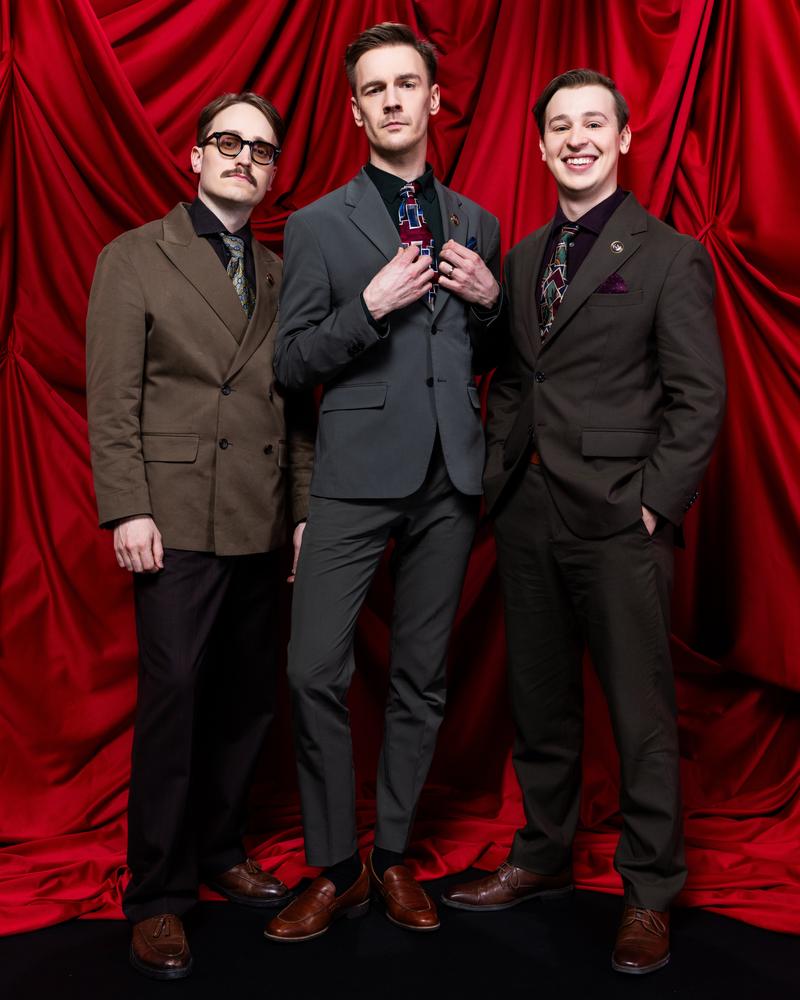
During the Grand Final on 17 May, Iceland’s VÆB led Shazam activity with RÓA - garnering 51% more Shazams than last year’s top track.
Wasted Love also topped the Shazam charts in Austria and ranked in the Top 200 in 23 countries.
According to Shazam Radio Spin data, it received more global radio airplay than any other Eurovision 2025 entry, followed by Louane’s maman and Lucio Corsi’s Volevo Essere Un Duro .
In the week following the ESC Grand Final, 4 of this year’s entries were ranked in the ESNS Radar Radio Airplay Chart Top 50***.
Host City impact
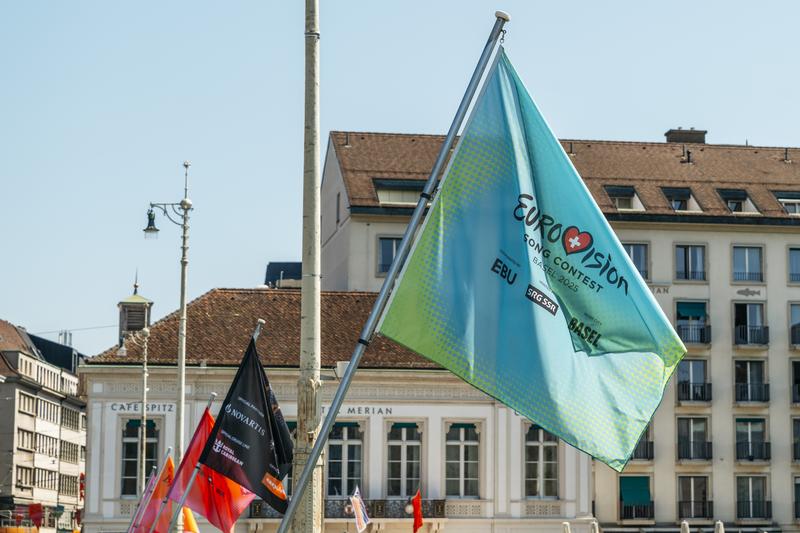
Early data from this year’s Host City Basel shows that over 500,000 people enjoyed Eurovision related activities during the week of the event.
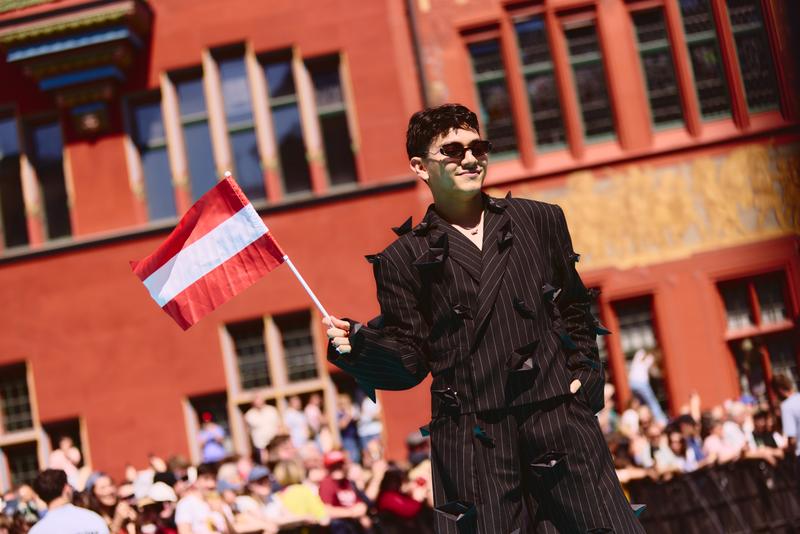
· Number of visitors at the Opening Ceremony: over 100,000
· Number of visitors to shows (St. Jakobshalle and Arena plus): approx. 100,000
· Total number of visitors to City Venues: approx. 343,000
- of which Eurovision Village: 190,000
- of which Eurovision Square: 135,000
- of which EuroClub: 18,000
A total of 50,000 nights of accommodation were generated with 95% occupancy towards the end of the ESC week – a significant increase on the usual May average of 60%.
Fans from 83 countries bought 100,000 tickets to 9 shows during the event week which included Dress Rehearsals, live broadcasts and the Arena plus Grand Final watch party at the St Jakob’s Park football stadium.
Around 1,000 journalists from over 50 countries were accredited to cover the event onsite.
Martin Green CBE, Director of the Eurovision Song Contest said:
“This year’s Eurovision Song Contest has once again demonstrated its extraordinary power to unite millions across continents through the joy of music and shared celebration.
In a fragmented media landscape, the ESC stands out as a unique global moment - bringing viewers back to live television, while simultaneously thriving across digital platforms and reaching new generations in new ways.
The Contest’s growing musical impact is undeniable, with songs resonating on global streaming charts and inspiring fans worldwide. From living rooms to livestreams, and from national pride to international connection, the Eurovision Song Contest continues to be one of the most vibrant and unifying cultural experiences on the planet.”
Co-Executive Producers from host broadcaster SRG SSR, Reto Peritz and Moritz Stadler added:
“We are truly delighted that the Eurovision Song Contest 2025 was such a great success – in the Host City of Basel, on screens across the world and throughout social media. The excitement and positive energy could be felt everywhere. This ESC brought people together – and took the world’s biggest music event to a whole new level.”
The Eurovision Song Contest was coordinated by the EBU, hosted by SRG SSR on 13, 15 and 17 May and broadcast in the 37 participating countries, North Macedonia, Kosovo, Moldova, the USA and online.
The shows were also broadcast on radio by 15 EBU Members.

_kbjlrum-fill_size%3d832x1040-focal_point%3d696x732-focal_size%3d1015x1125-fill_size%3d832x1040-focal_point%3d696x732-focal_size%3d1015x1125.jpg)