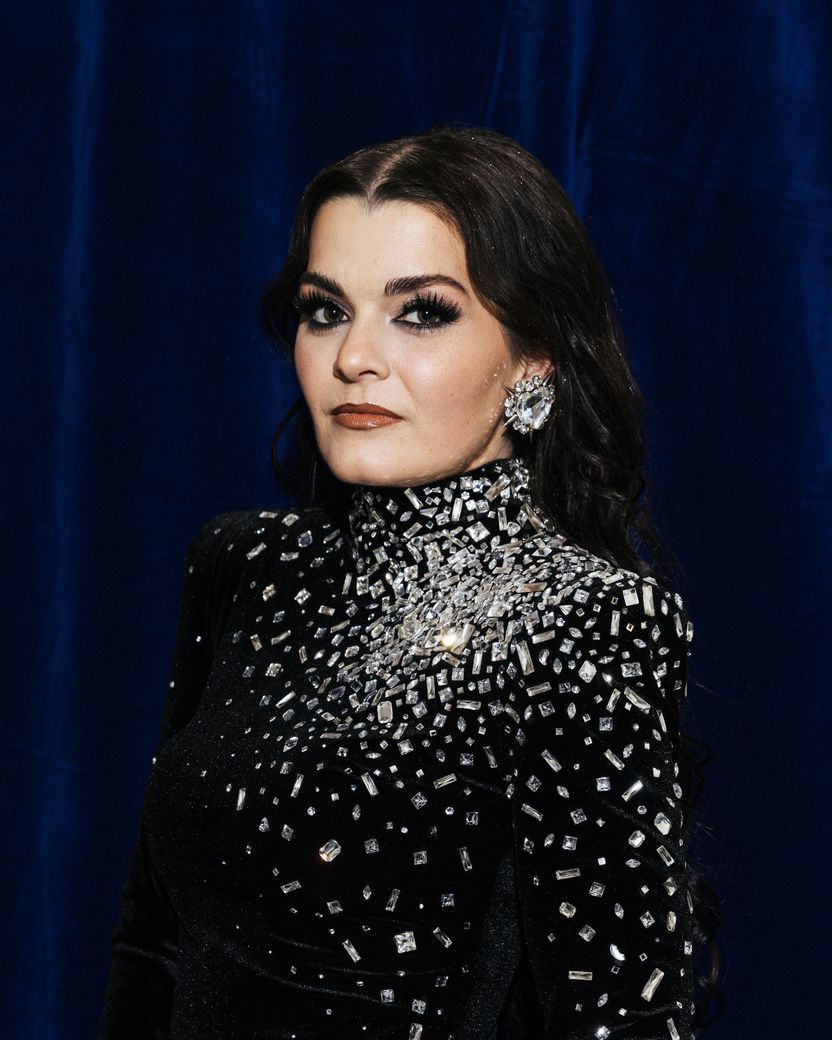
That’s how you make a show
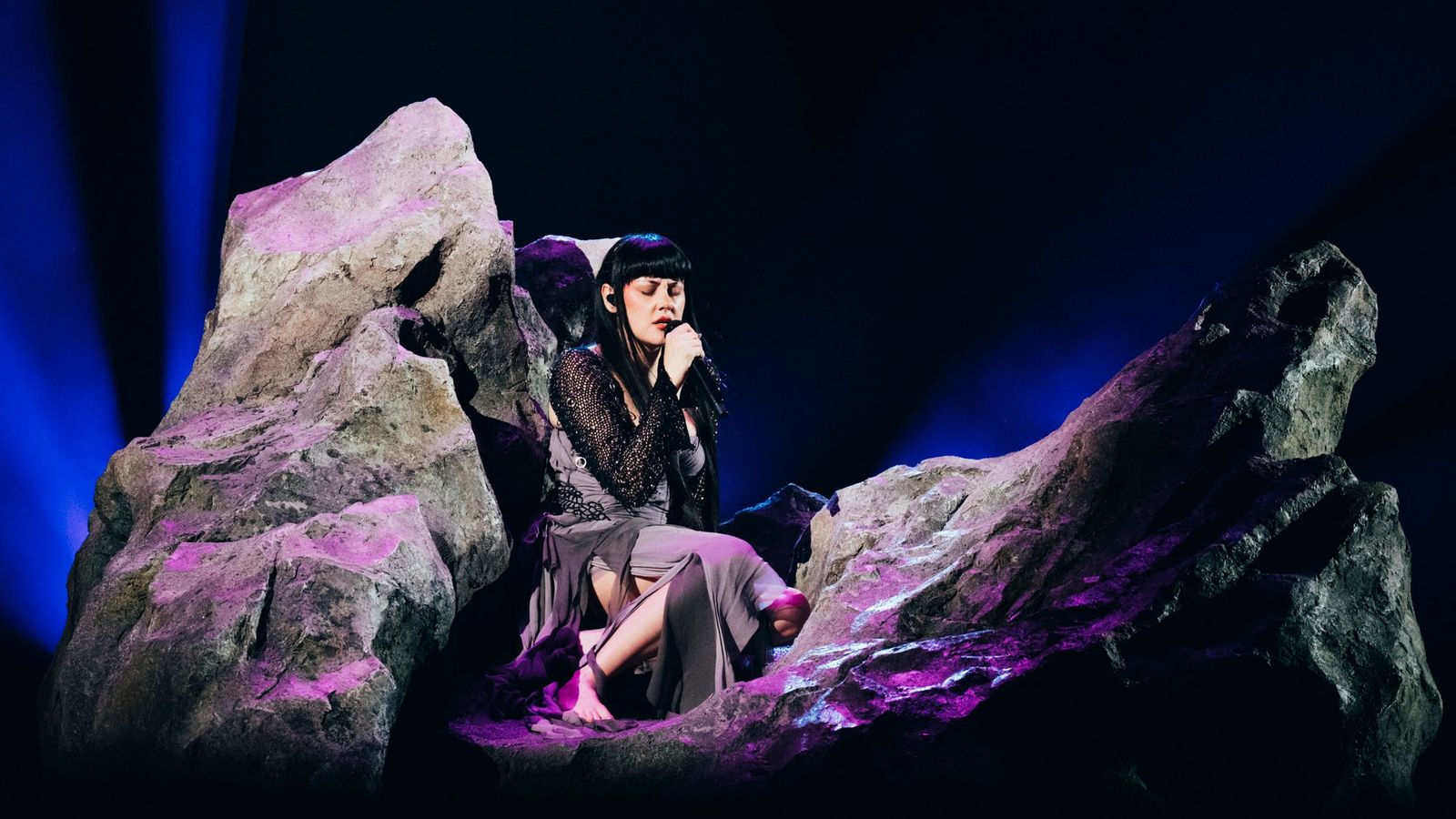
TEYA DORA rehearsing RAMONDA for Serbia at the Second Rehearsal of the First Semi-Final at Malmö Arena
What does it take to put together a Eurovision act? Ahead of the 2024 Live Shows, the people behind the performances explain the mechanics, the creativity and the magic that take their ideas from the drawing board onto the stage.
With 18 acts getting ready to go, the Eurovision delegation area is buzzing. It’s the day of the First Semi-Final, and everyone is getting ready for a final dress rehearsal. Silia Kapsis’ Liar chorus echoes around as she gets her voice warmed up and ISAAK is giving a performance (including a tune on the nose flute) in the nearby press centre. It’s clear from the sheer amount of noise, people and excitement that it’s show day. As every performer heads towards the stage, a huge cheer breaks out.
But before any of the acts could get to this point, a lot of work had to happen. We sat down with some of the teams to find out how they get their country’s performances ready.
Some Eurovision artists won their places at Malmö through national finals, so they’ve already had a chance to perform their shows in front of live audiences. That was not the case for Electric Fields from Australia, who created their performance from scratch. So just how do you go from an empty stage to an all-out celebration of Indigenous culture? Emily Griggs, the Head of Delegation for Australia, told Eurovision everything we wanted to know.
“Creative Director Paul Clarke and I like to approach each song as a story, so we work out what visually can help tell that story. Electric Fields are the same; storytelling is in their DNA,” she says.
Electric Fields started rehearsing in February but it wasn’t until they reached Malmö in April that the whole vision could be put together, including the backing vocalists and the Yidaki (or Didgeridoo) player.
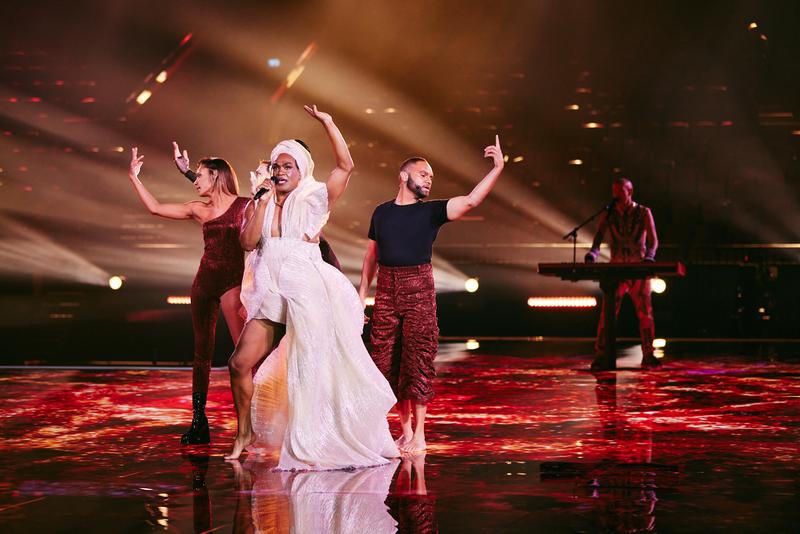
“Once we arrived at the Eurovision stage, we discovered that it posed even more challenges than we had previously realised. It's a vast space with two large runways that can appear quite dark, making it easy for artists to seem small and potentially get lost. We needed to find a new way to conquer the stage,” Emily explains.
The solution was to bring everything in and make the stage feel smaller, so that everyone could see the connection between the artists. When everything finally slotted into place, the team were thrilled with the result. And on the day of Australia’s First Rehearsal, Zaachariaha was so overcome with emotion that he welled up with tears of pride.
“This song and performance are a significant cultural moment,” Emily says. “This is the first time in history that a Yidaki has been on the Eurovision stage and the first time an Australian act has shared some Indigenous language — Yankunytjatjara — on stage.”
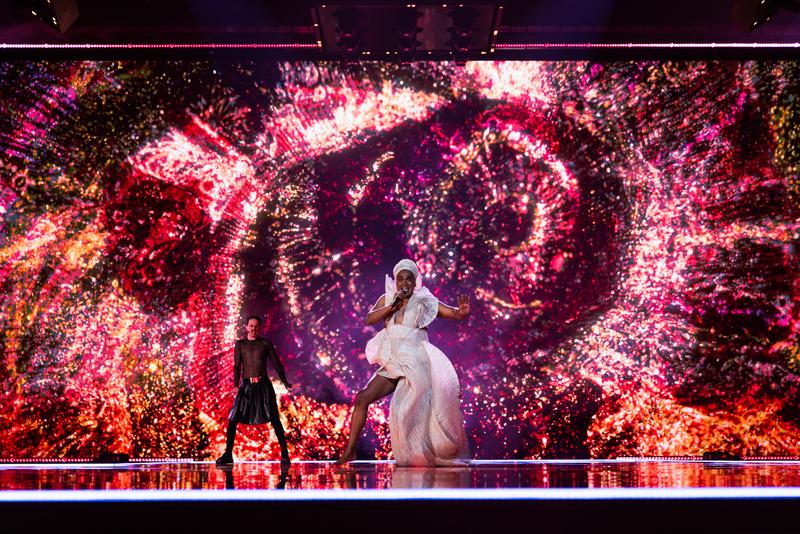
The swirling LED screen in Electric Fields’ performance has also come from somewhere personal. It was inspired by one of Zaachariaha’s paintings, which is called Paraulpi. Not just a Eurovision superstar, Zaachariaha also happens to be an accomplished multi-disciplinary artist.
There’s one thing in particular that the Australian team have to consider — the fact that they have to travel to the other side of the world for Eurovision.
“Each year, we think about what works for the song, and then we think about how we will realise it. It can mean getting props made in the host country or finding a much-loved car and working out how to get that to fit the stage specs,” Emily says.
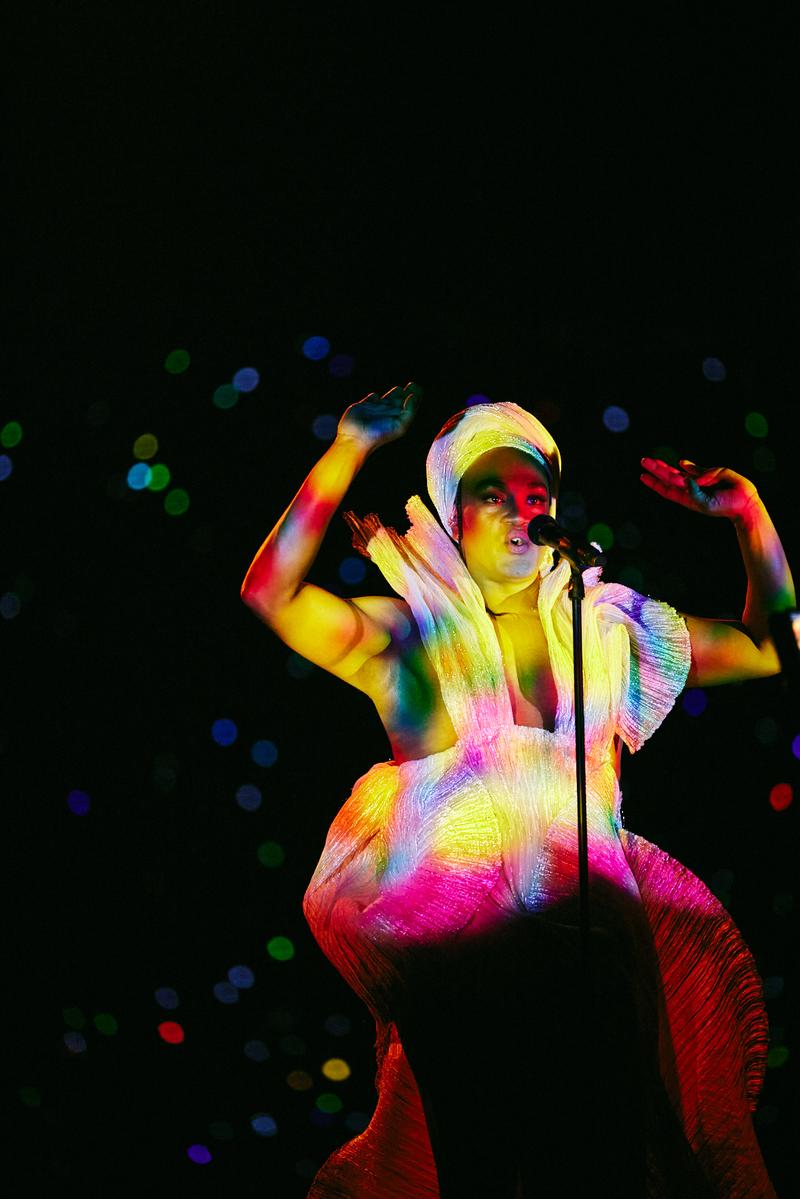
For the 2024 Contest, they were able to fly to Sweden with everything they needed. Which certainly wasn’t the case in 2023 with Voyager’s car prop.
For Nebulossa from Spain, a lot of the ground work had already been done — they had a stunning show already in place for Spain’s national final Benidorm Fest. The next step was working out what needed to change for Malmö. Ana María Bordas, Spain’s Head of Delegation, says that they wanted to adapt the Benidorm Fest performance, with some choreography and costume changes.
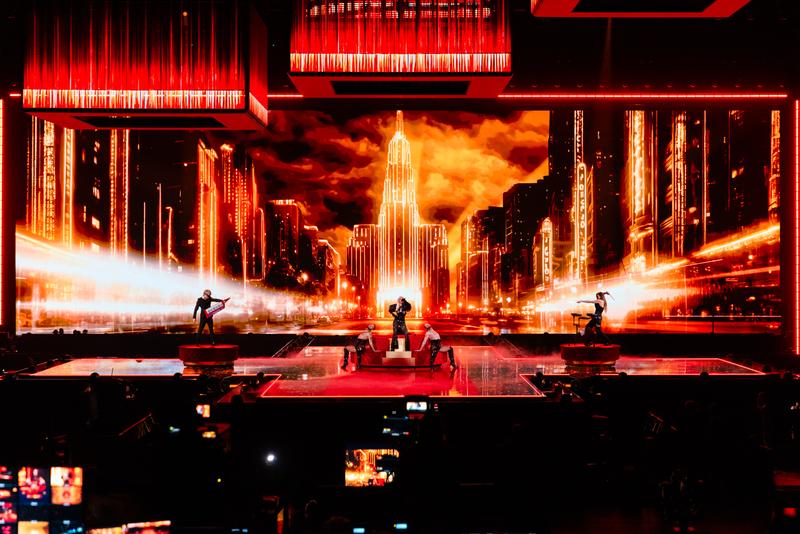
But there was still plenty of work to do. The team had to adjust every camera shot, get each detail of lighting right and perfect the choreography, as rehearsals unfolded.
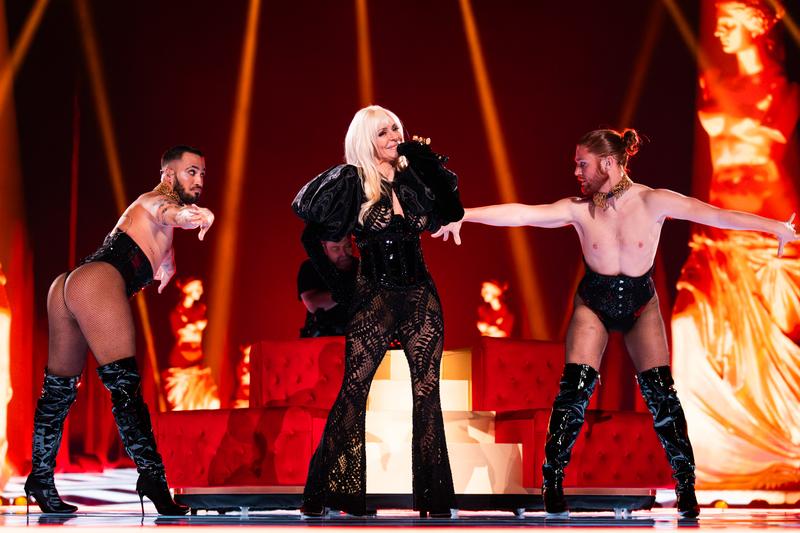
“We changed the costumes for a greater comfort of our singer, Mery, on stage,” Ana María says, explaining that they were lucky enough to have designs from Michael Costello.
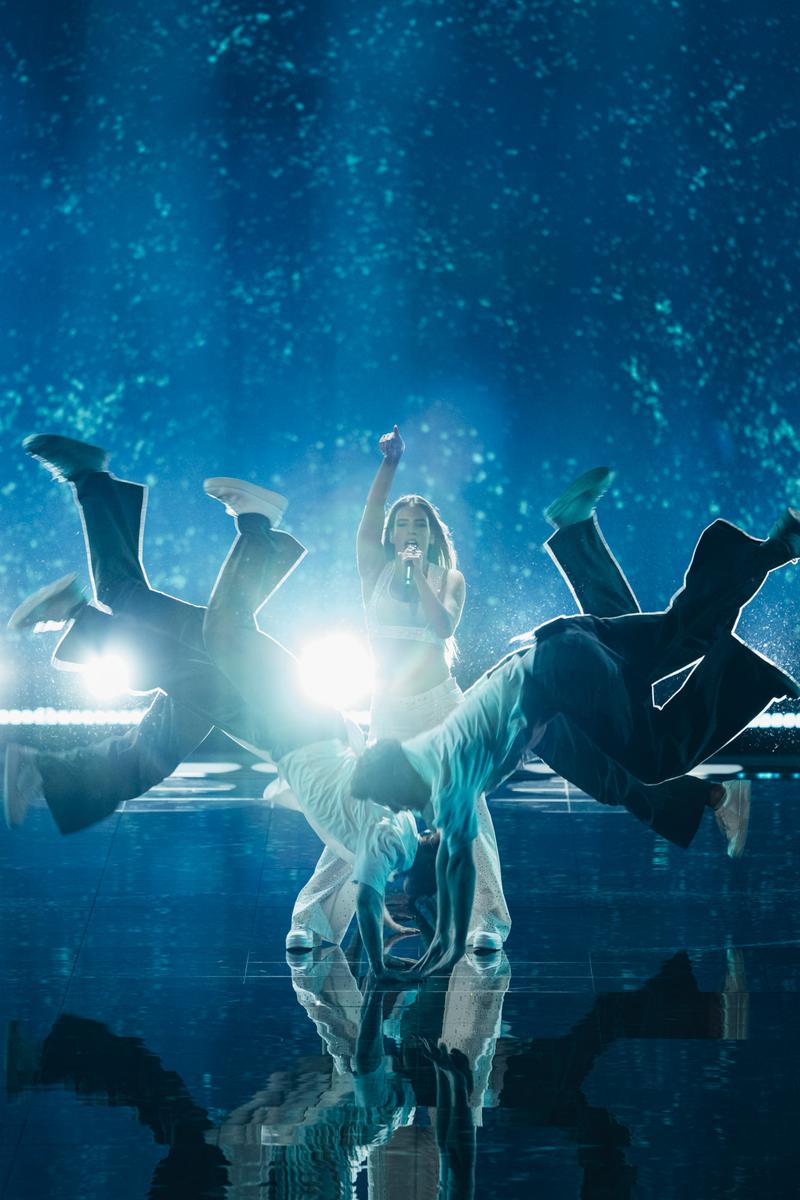
Iceland’s team also had a national final performance as a strong starting place. They kicked off their Eurovision preparations by sitting down with the national broadcaster RÚV and the artistic team responsible for directing the performance, while also thinking about the technical specifications of the stage in Malmö. They looked through proposals for the show, then Hera, her choreographer, her director and the rest of the team got to work. And there was no time to rest — Hera went into rehearsals just two weeks after winning her national final.
“An important thing is to listen to the artist, who in the end will always be the one performing the show,” says Iceland’s Head of Media, Ragna Björg Ársælsdóttir, who is also a backing vocalist for Hera. “The artistic team then creates the script with the aim to build up dynamic and wow effects throughout the song. Every frame has to have life, colours, good angles and something happening that catches the eye.”
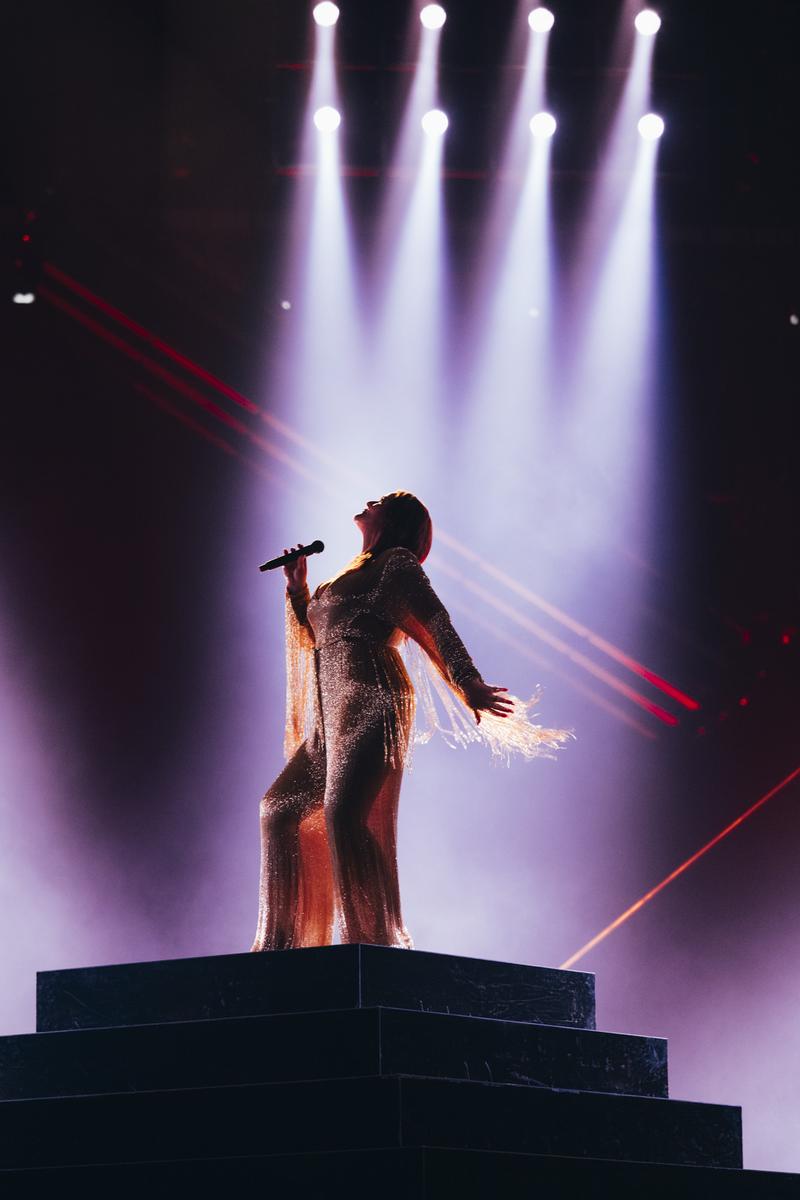
Everyone on the team was chosen by Hera herself, and although they knew each other they’d never performed together.
“We had group dinners leading up to leaving Iceland to go to Malmö,” Ragna says. “We then got the chance to enjoy each other’s company and we have all become friends. This has resulted in a close-knit group that stands together with support and energy that radiates between us.”
Coming in as a backing singer, Ragna says she was used to performing but had never had to do a dance routine on stage, and certainly nowhere as big as the Eurovision Song Contest.
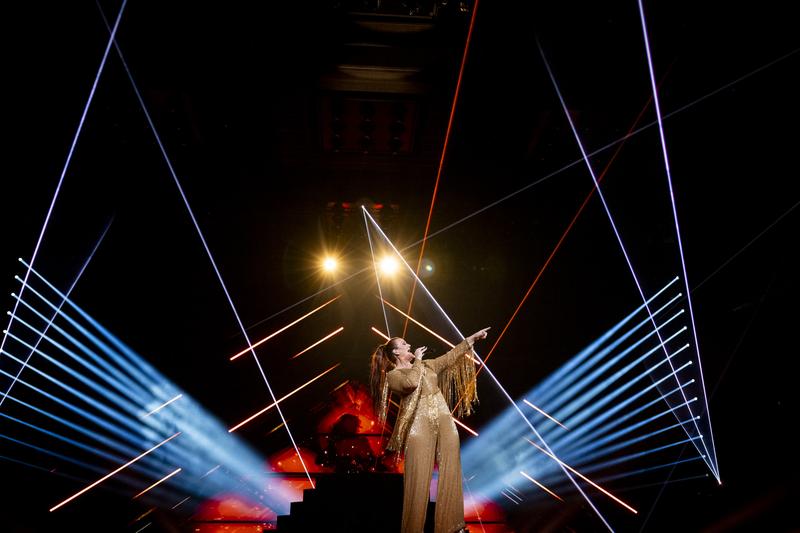
Emily from Australia says that for her, one of the most amazing things about Eurovision is that each country gets to work on their own song, and then collaborate with the host broadcaster on camera direction, lighting and LED design to bring it all to audiences at home.
“The collaboration and camaraderie are what are really special,” she says. “I know people might find it a little cheesy, but music really does bring us all together. So, I’m here to tell you that the Eurovision slogan really is true: we are United by Music.”
_kbjlrum-fill_size%3d832x1040-focal_point%3d696x732-focal_size%3d1015x1125-fill_size%3d832x1040-focal_point%3d696x732-focal_size%3d1015x1125.jpg)